Episode 12: Why Culture Decides What We Eat with Raj Thandhi
Episode 12 · March 24, 2026
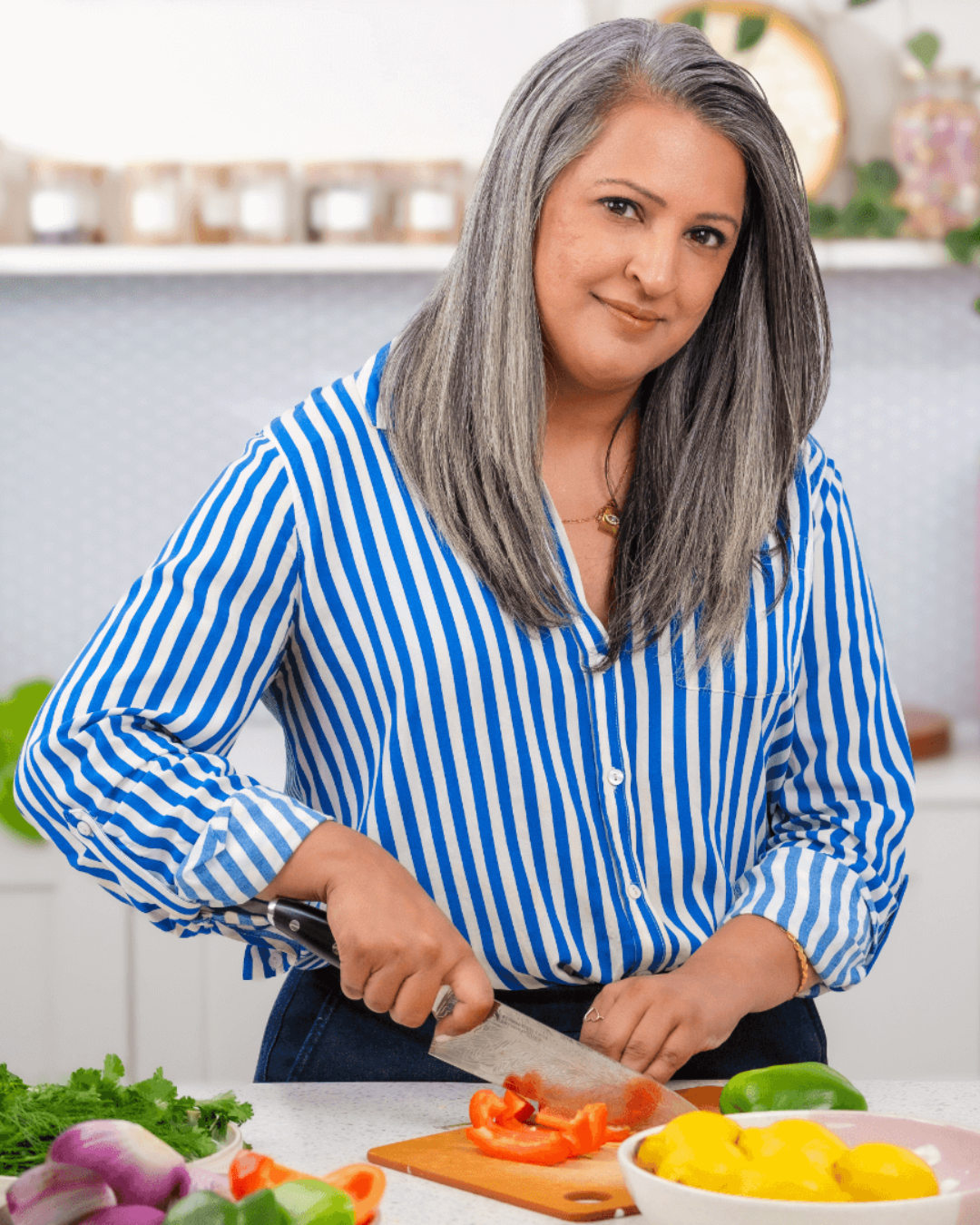
Raj Thandhi — chef, recipe developer, and food educator behind Pink Chai Living — joins Jesse Hirsh to explore how culture shapes demand, why food has to 'belong' before it moves, and what diaspora cuisine reveals about the infrastructure that actually connects agriculture to everyday life.
Overview
Raj Thandhi brings the conversation back to something the agri-food sector often treats as secondary, but that quietly determines everything: culture.
This episode explores the space between what is grown and what is actually lived. Not in abstract terms, but in the practical realities of kitchens, habits, and identity. Raj makes a clear point — food doesn't move because it exists. It moves when it belongs. When people recognize it, understand it, and know how to work with it in their own lives.
Her work sits inside that process. Through recipes, storytelling, and education, she translates between cultures and contexts — connecting Punjabi traditions with local ingredients and contemporary Canadian realities. In doing so, she's not just sharing food. She's shaping how culture adapts, and how agriculture finds relevance within it.
What emerges is a shift in how we think about the system itself. Culture is not downstream from agriculture. It is one of the primary forces that determines whether agriculture succeeds, scales, or stagnates.
This episode reframes food literacy as cultural participation, and leadership as the ability to shape meaning, not just output.
Key themes
- Culture as a driver of demand and adoption
- Why food has to "belong" to move
- Diaspora cuisine as a bridge between local and global
- Cooking as a form of cultural infrastructure
- Rethinking leadership through culture, not just production
Guest
Raj Thandhi is a chef, recipe developer, and food educator behind Pink Chai Living. Her work focuses on making Punjabi cooking accessible while integrating local ingredients and contemporary contexts. Through her recipes, writing, and digital platforms, she explores how food, culture, and place shape one another in everyday life.