AI-Powered Plant Breeding: Reimagining Agricultural Research and Productivity
How computational methods are transforming the age-old practice of crop improvement
Published April 24, 2026
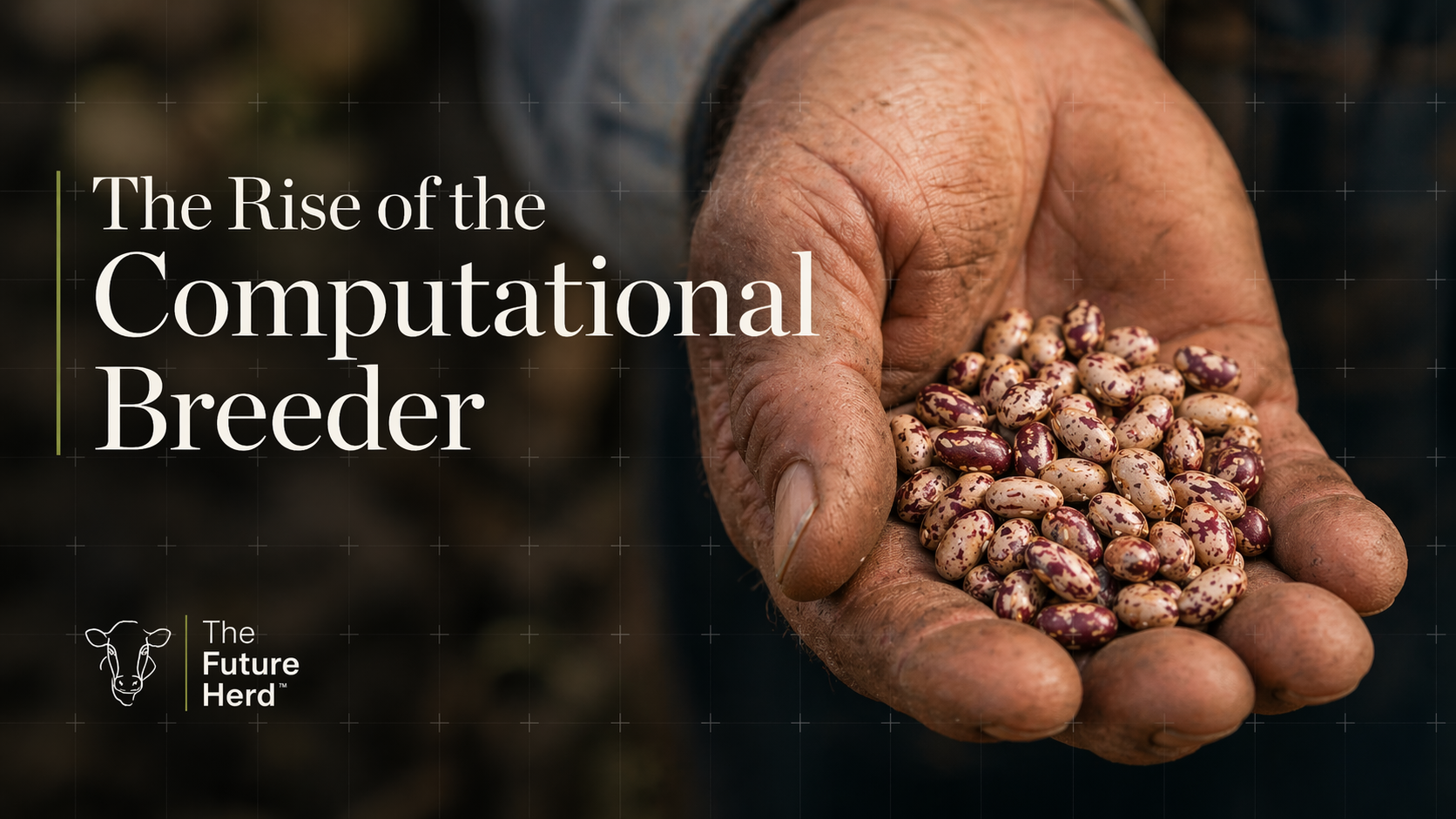
The future of agriculture is being written in code. Where traditional plant breeding once relied exclusively on visual observation, intuition, and generational field trials, a new generation of agricultural researchers is reimagining crop improvement through computational methods, machine learning, and advanced data analysis.
Dr. Mohsen's work at the University of Guelph represents a pivotal moment in this transformation. By integrating artificial intelligence into plant breeding, researchers can now simulate complex agricultural scenarios, predict crop performance under changing environmental conditions, and dramatically accelerate the development of more resilient and productive plant varieties.
Computational plant breeding represents more than a technological upgrade; it's a fundamental shift in how we understand and interact with agricultural systems. Traditional breeding methods required growing thousands of individual plants over multiple generations, hoping to identify a single superior variety. This process was time-consuming, resource-intensive, and inherently limited by human perception. Computational approaches change this paradigm by leveraging data from genetic sequencing, environmental monitoring, and advanced algorithmic analysis.
The digital twin concept emerges as a particularly powerful tool in this new approach. By creating sophisticated computational models that simulate plant growth under various environmental conditions, researchers can now predict crop performance with unprecedented precision. These simulations allow scientists to test hypothetical scenarios—exploring how specific genetic combinations might respond to climate change, varying soil conditions, or emerging pest pressures—without the extensive time and financial investment of traditional field trials.
Climate adaptation represents another critical dimension of this technological evolution. With anthropogenic climate change presenting significant challenges to global agriculture, computational breeding offers a proactive strategy. By analyzing historical crop data alongside future climate scenarios, researchers can develop plant varieties strategically designed to thrive under projected environmental conditions.
This approach is not about replacing human expertise but augmenting it. The most successful computational breeding programs still rely on the nuanced understanding and intuition of experienced agricultural scientists. Machine learning algorithms process vast datasets, but human researchers provide the critical context, interpretation, and strategic direction.
The collaborative potential of computational plant breeding is immense. As more research institutions and agricultural organizations embrace these methods, knowledge sharing and interdisciplinary cooperation become increasingly important. The field demands expertise not just in plant science, but in data science, machine learning, environmental modeling, and genetic analysis.
For farmers and agricultural stakeholders, this represents a profound opportunity. More resilient crop varieties, developed faster and with greater precision, can help address pressing challenges like food security, climate adaptation, and sustainable agricultural practices. The computational approach transforms plant breeding from a reactive process of selection to a proactive strategy of agricultural innovation.
As Dr. Mohsen's work illustrates, we are witnessing the emergence of a new type of agricultural professional—the computational plant breeder. These experts sit at the intersection of traditional agricultural wisdom and cutting-edge technological innovation, using sophisticated tools to reimagine how we develop, understand, and cultivate the crops that sustain human civilization.
Related Episode
Themes
- Agricultural Innovation
- Artificial Intelligence
- Digital Agriculture
- Climate Adaptation
- Computational Science