The Social Conscience of Rural Governance: Policy and Food Access in Small Communities
When local leadership means transforming food charity into community resilience
Published May 6, 2026
In the quiet corners of rural Canada, food security is not just an abstract policy challenge—it's a living, breathing community endeavor. The experience of organizations like The Table Community Food Centre in Perth, Ontario, reveals how local governance and social infrastructure can fundamentally reshape approaches to food access and community wellbeing.
Traditional models of food security have often centered on emergency food distribution—the straightforward provision of hampers and meals to those experiencing immediate need. However, emerging community food centers represent a more holistic, transformative approach. They recognize that food insecurity is not merely about calories, but about dignity, connection, and systemic resilience.
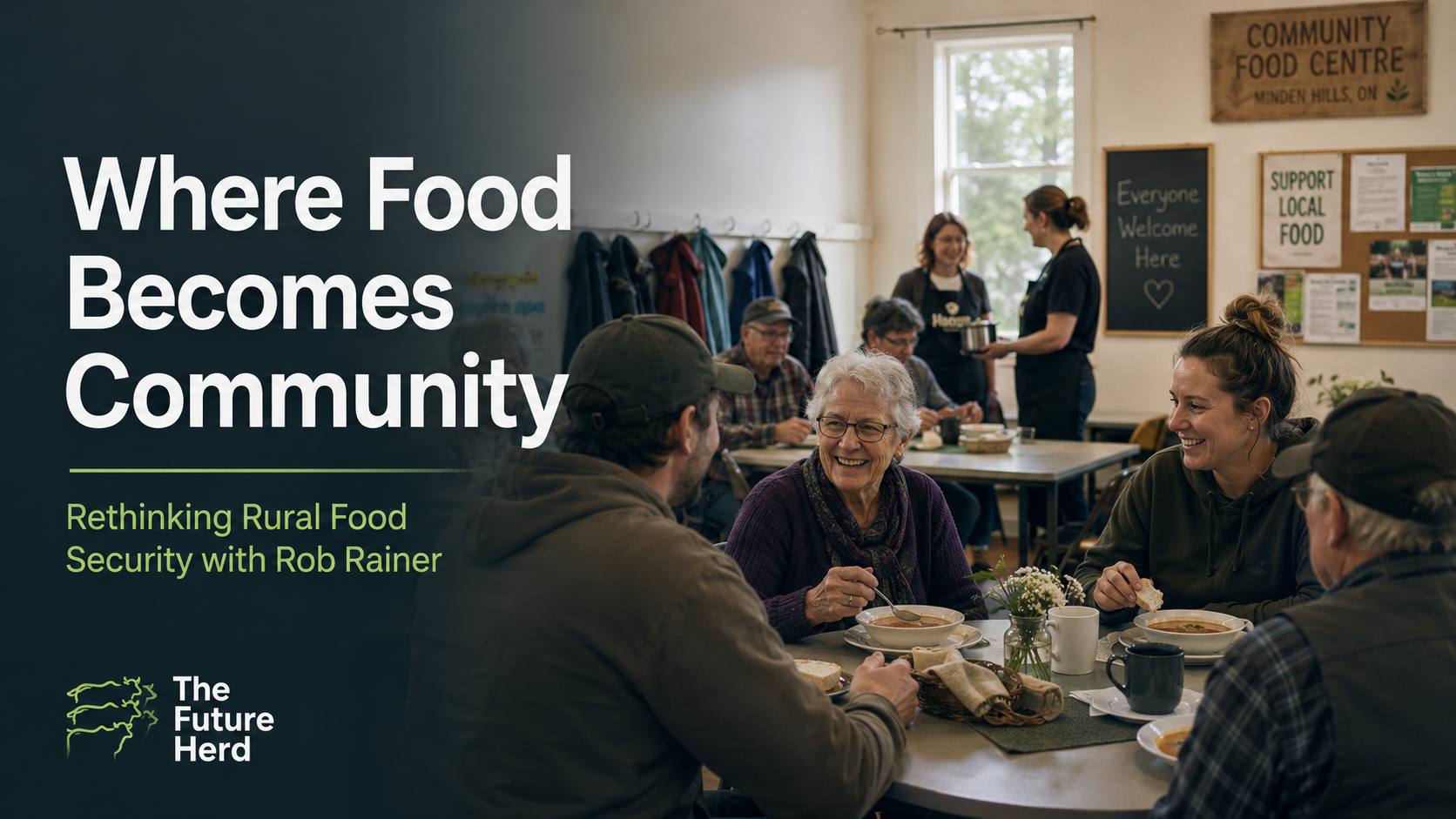
The Table's model exemplifies this philosophy. Beyond operating a food bank, the organization has deliberately constructed multiple interconnected programs: community meals, garden initiatives, youth engagement, and advocacy support. Each program is designed not just to feed people, but to build individual and collective capacity. By creating spaces where community members can grow food, share meals, learn skills, and access support, they are addressing root causes of food insecurity.
Rural communities face unique challenges in this domain. With smaller populations and often more dispersed infrastructures, traditional urban-centric food security models frequently fall short. Limited resources must be deployed with exceptional strategic precision. Municipal leaders like Rob Rainer, who simultaneously serve in governance roles and community organizations, become critical bridges—translating grassroots needs into actionable policy frameworks.
Moreover, rural food security strategies require deep understanding of local social dynamics. Unlike large urban centers where services can be more anonymized, small communities demand relationship-based approaches. Volunteers aren't just labor—they're integral social connectors who provide emotional infrastructure alongside practical support. The Table's approximately 150 volunteers represent not just a workforce, but a complex social network that sustains community resilience.
Financial sustainability remains a persistent challenge. With annual budgets around $1.1 million and aspirations to expand to $1.5-1.6 million, organizations like The Table must continuously innovate funding models. Grant dependencies are unreliable; instead, building regional support networks becomes crucial. This means cultivating relationships with local businesses, creating diverse revenue streams, and demonstrating tangible community impact.
The emerging model of community food centers suggests a profound reimagining of social service delivery. Rather than viewing food access as a transactional emergency response, these organizations treat it as a multidimensional opportunity for community empowerment. They recognize that addressing food insecurity requires simultaneously meeting immediate nutritional needs while constructing longer-term social infrastructures.
As global economic uncertainties intensify, rural communities will increasingly rely on these adaptive, locally-rooted approaches. The social conscience of rural governance is not about grand policy declarations, but about granular, committed relationship-building. It's about creating ecosystems where community members are simultaneously supporters and supported—where resilience emerges through collective care.
The future of food security lies not in centralized solutions, but in empowered local networks that understand their unique contextual challenges. The Table and similar organizations are not just feeding communities—they are reimagining what community itself can mean.
Related Episode
Themes
- Rural Food Security
- Community Governance
- Social Infrastructure
- Collaborative Community Development
- Grassroots Policy Innovation