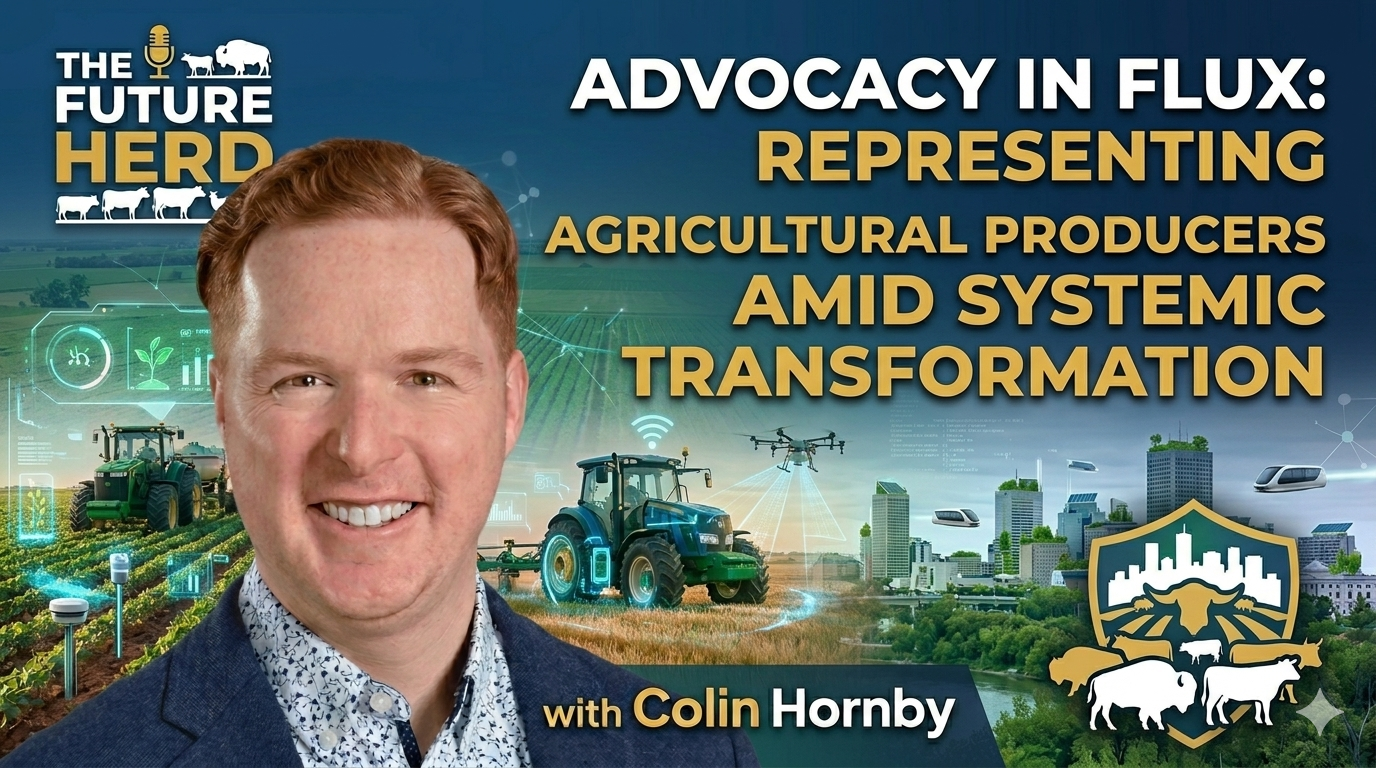
Advocacy in Flux: Representing Agricultural Producers amid Systemic Transformation
How do you advocate for a sector when the ground it stands on keeps shifting?
Published April 17, 2026
In the vast, exposed landscape of Manitoba, agricultural transformation isn't an abstract concept—it's a lived reality that demands immediate, nuanced response. The role of agricultural advocacy organizations like Keystone Agricultural Producers (KAP) has become increasingly complex, navigating a terrain where traditional representation models are being fundamentally challenged by rapid technological, economic, and environmental shifts.
The essence of modern agricultural advocacy lies not in defending static interests, but in creating flexible frameworks that can accommodate diverse and sometimes competing producer perspectives. Colin Hornby's leadership at KAP exemplifies this approach, recognizing that representing farmers means understanding the intricate web of relationships between producers, processors, government agencies, and emerging technological ecosystems.
Manitoba provides a unique lens for understanding these dynamics. As a geographic and economic crossroads, the province embodies the intersectional nature of contemporary agricultural challenges. The province's agricultural sector isn't just about production—it's about navigating complex supply chains, technological innovations, and international trade relationships. KAP's mandate reflects this complexity: representing all farmers, regardless of commodity or scale, while simultaneously engaging with broader sectoral transformations.
The organization's structure—with elected farmer representatives from twelve districts and additional commodity seats—reflects a deliberate strategy of inclusive representation. By ensuring voices from supply-managed sectors sit alongside grain producers and specialty crop growers, KAP creates a platform for dialogue that transcends traditional agricultural divisions.
This approach becomes crucial when confronting systemic challenges. Trade negotiations, regulatory changes, and technological disruptions don't respect traditional agricultural boundaries. A drone technology regulation impacts grain producers differently than livestock farmers, yet both need a collective voice. Similarly, federal policies around carbon pricing or labor mobility have cascading effects that require nuanced, collaborative responses.
Hornby's background in political advocacy provides additional insight into this approach. His experience highlights that effective representation is less about rigid positions and more about finding collaborative pathways. "Politics is the art of the possible," he notes—a perspective that transforms advocacy from adversarial confrontation to strategic negotiation.
The future of agricultural advocacy, as demonstrated by organizations like KAP, will increasingly rely on this adaptive, holistic approach. It requires leaders who can simultaneously understand granular local realities and navigate complex systemic dynamics. They must be translators—converting local experiences into policy frameworks, and policy frameworks back into meaningful support for producers.
This isn't just about representing farmers; it's about co-creating resilient agricultural futures. In a landscape constantly reshaped by climate change, technological innovation, and global economic shifts, advocacy becomes a dynamic, collaborative process of continuous adaptation.
For Manitoba, and by extension for Canadian agriculture, this means embracing complexity rather than resisting it. It means building organizational models flexible enough to represent diverse interests while maintaining a coherent vision of sectoral progress. The challenge—and the opportunity—lies in transforming agricultural advocacy from a defensive posture to a generative, forward-looking practice.
Related Episode
Themes
- Agricultural Policy Representation
- Institutional Adaptation
- Regional Agricultural Leadership
- Collaborative Stakeholder Engagement
- Systemic Complexity