Connexions Connaissances x Leadership
Cette page montre comment les conversations deviennent des connaissances réutilisables à travers le catalogue actuel.
Elle est générée à partir des champs de frontmatter relatedEpisodes, relatedKnowledge et themes.
Chemins des synthèses de connaissances vers les épisodes
February 2, 2026
A Leadership Brief for Agri-Food Futures
Conversation liée:
Thèmes :
leadership
foresight
resilience
dialogue
emergence
February 9, 2026
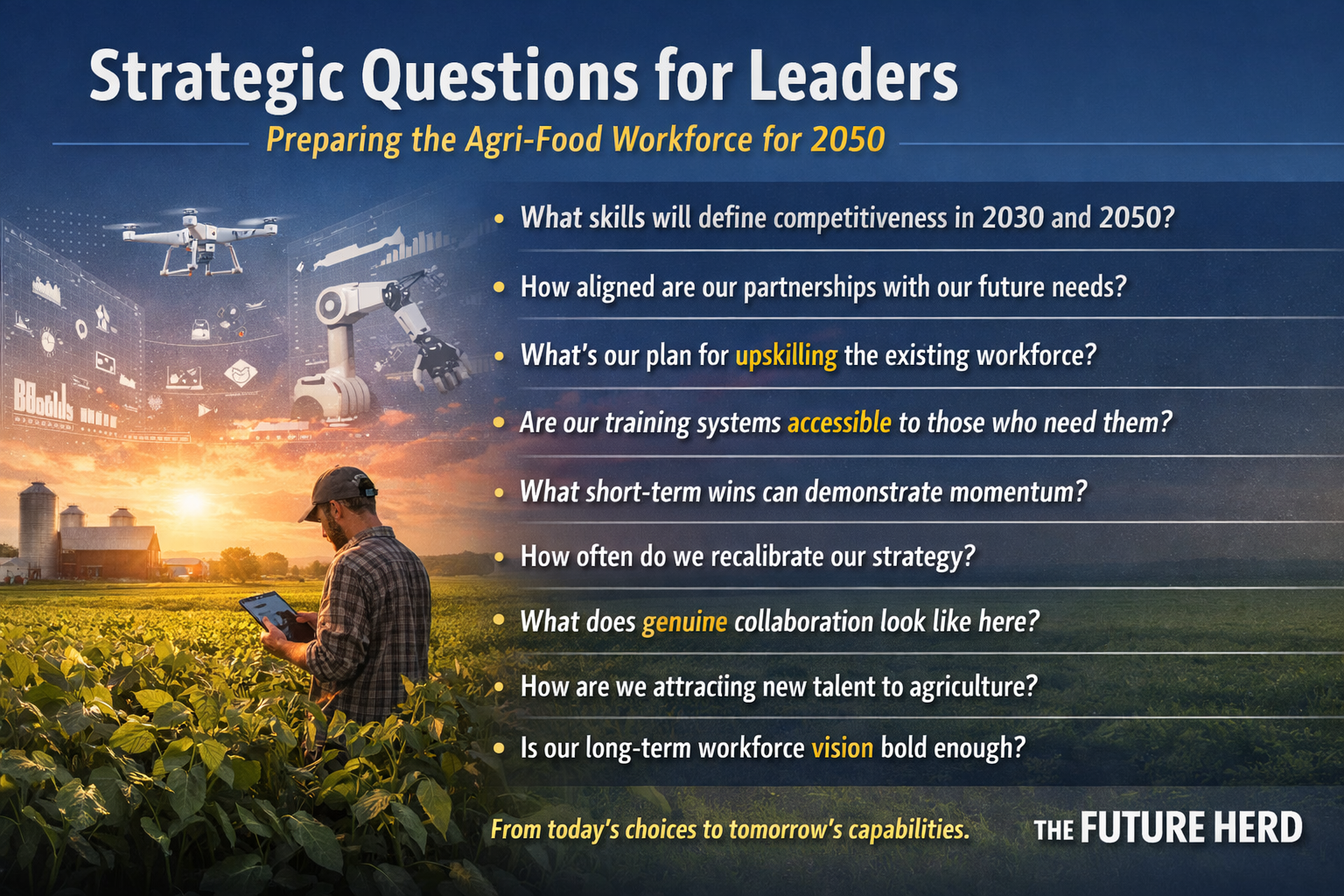
A companion handout for leadership teams, boards, educators, and sector partners.
Conversation liée:
Thèmes :
Workforce development
Skills and training infrastructure
Collaboration and coordination
Technology adoption (AI, automation, robotics)
Strategic planning and accountability
February 17, 2026
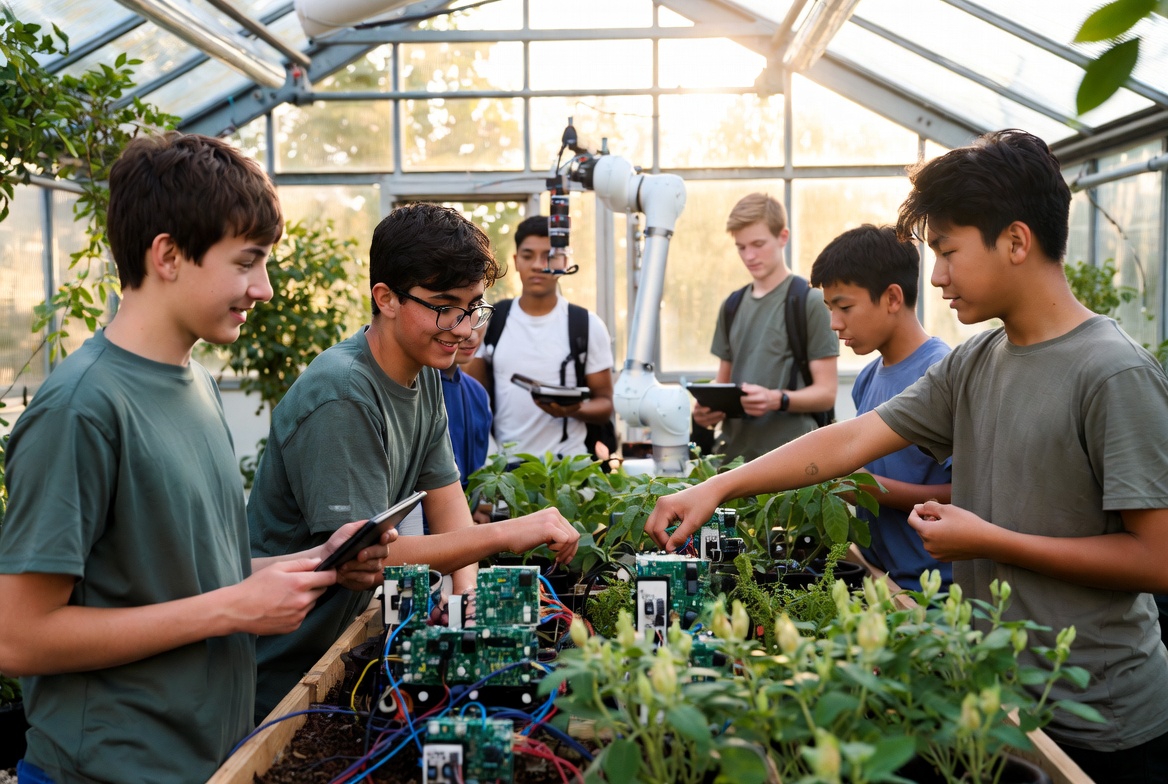
A Brief Inspired by a Conversation with Rene Van Acker, President and Vice Chancellor, University of Guelph
Conversation liée:
Thèmes :
University leadership
Collaboration and foresight
Extension and knowledge mobilization
Interdisciplinary innovation
Climate volatility and resilience
Long-term institutional planning

February 23, 2026
A Leadership Brief from Episode 6 with Dana McCauley
Conversation liée:
Thèmes :
leadership
commercialization
food innovation
scale-up
agri-food 2050
March 1, 2026
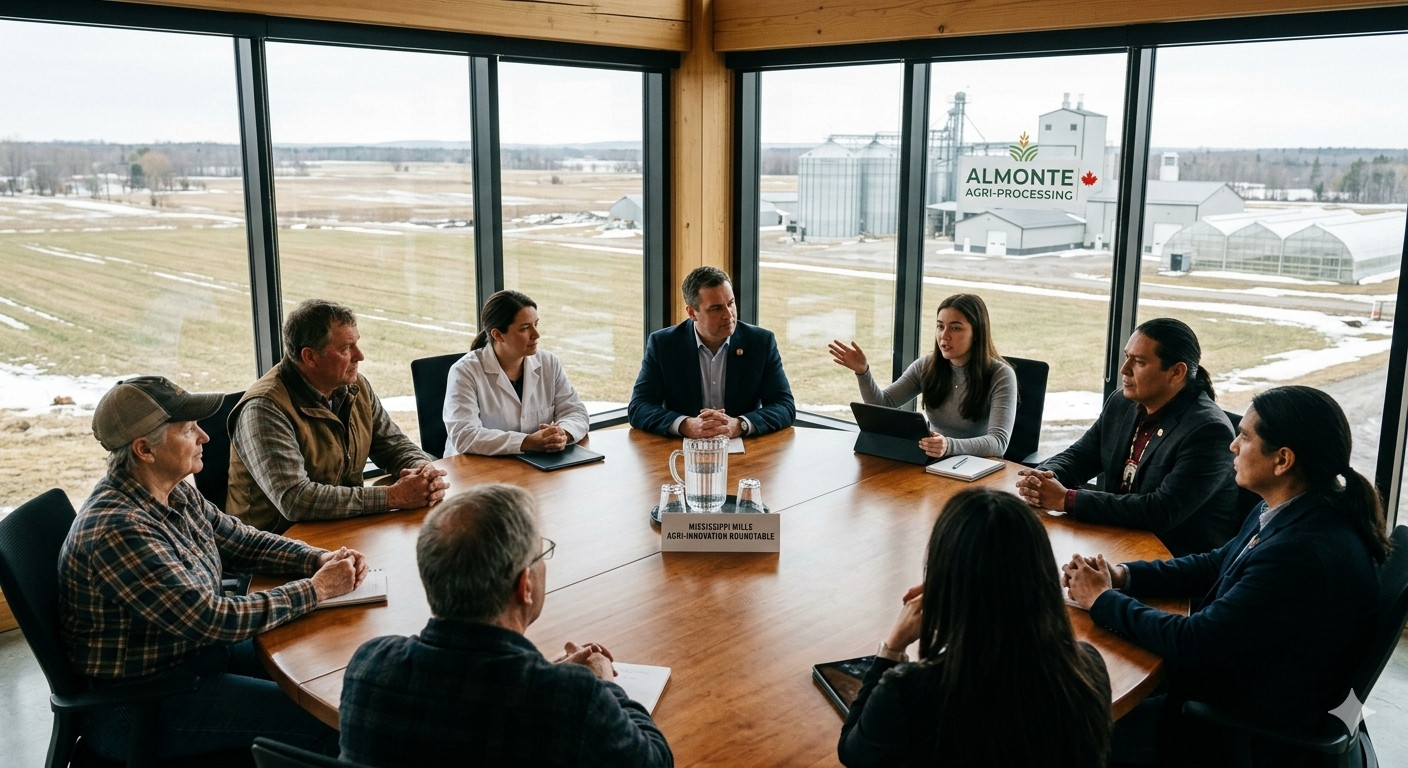
The Strategic Sector That Still Thinks It's a Commodity
Conversation liée:
Thèmes :
leadership
policy
geopolitics
value-add
strategy
March 5, 2026
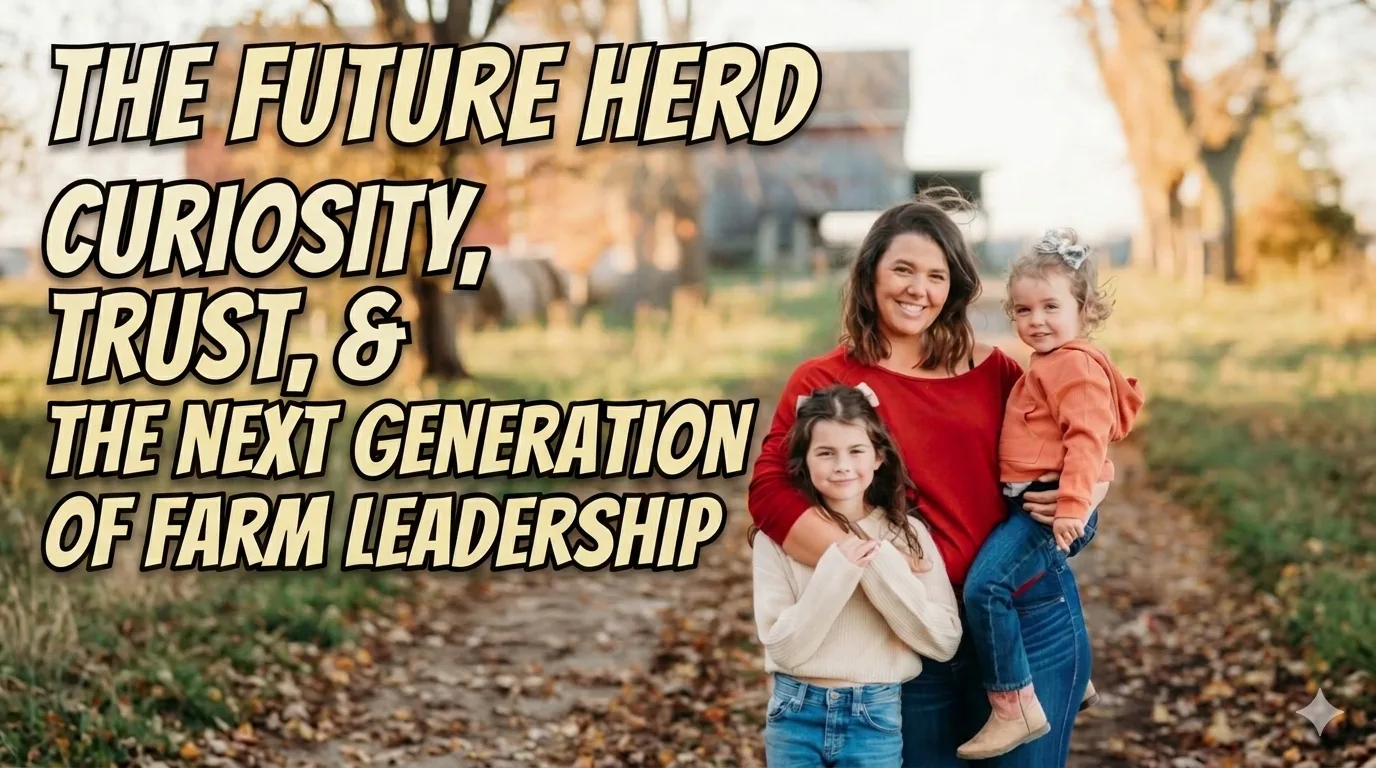
Why emotional literacy and transparency are becoming core skills for the next generation of farm leaders
Conversation liée:
Thèmes :
leadership
trust
communication
emotional-intelligence
learning
March 9, 2026
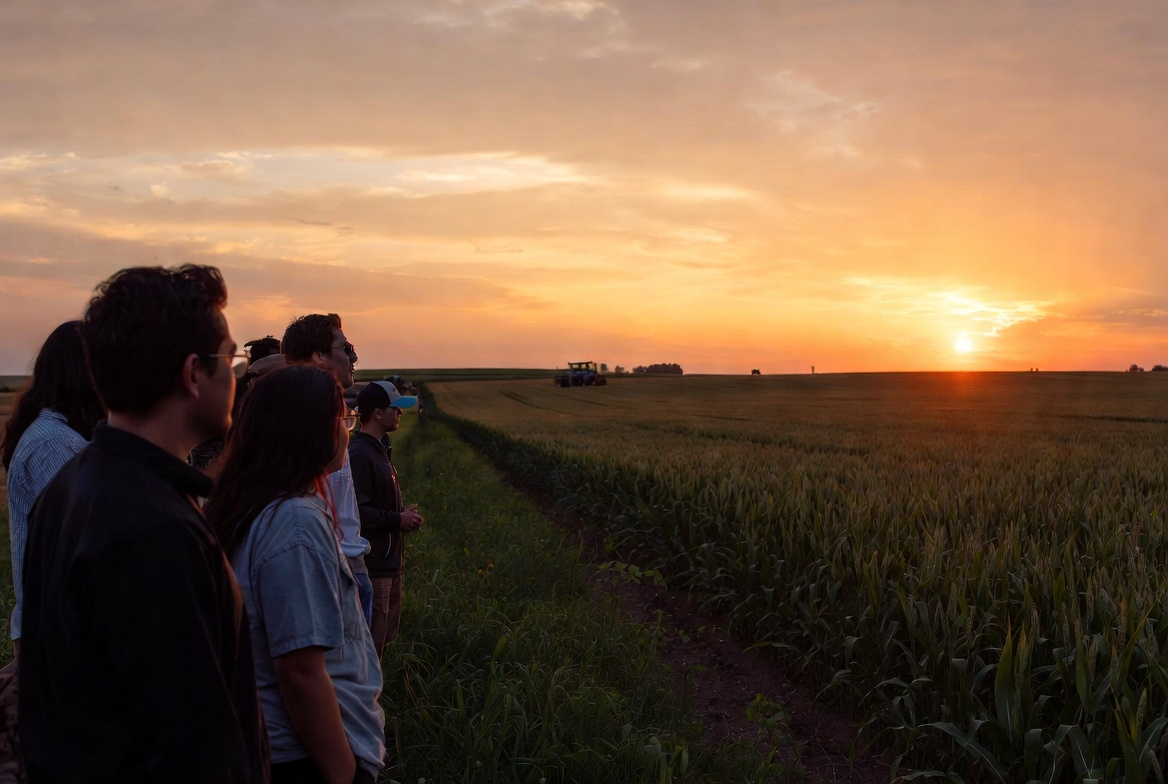
How Indigenous communities could help renew a sector running out of farmers
Conversation liée:
Thèmes :
indigenous
demographics
food-sovereignty
economic-development
scale
March 17, 2026
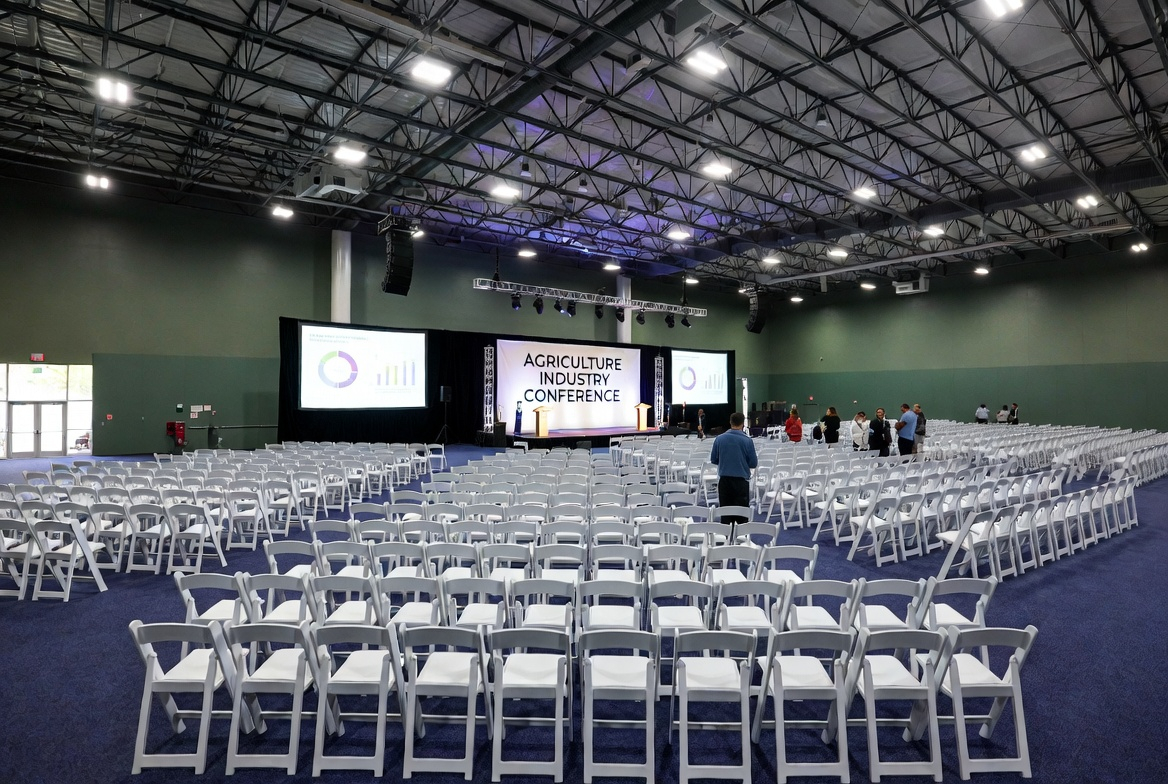
Institutional culture, closed conversations, and the need for dissent in Canadian agriculture
Conversation liée:
Thèmes :
Institutional culture
Dissent and independent thinking
Leadership
Sector dialogue
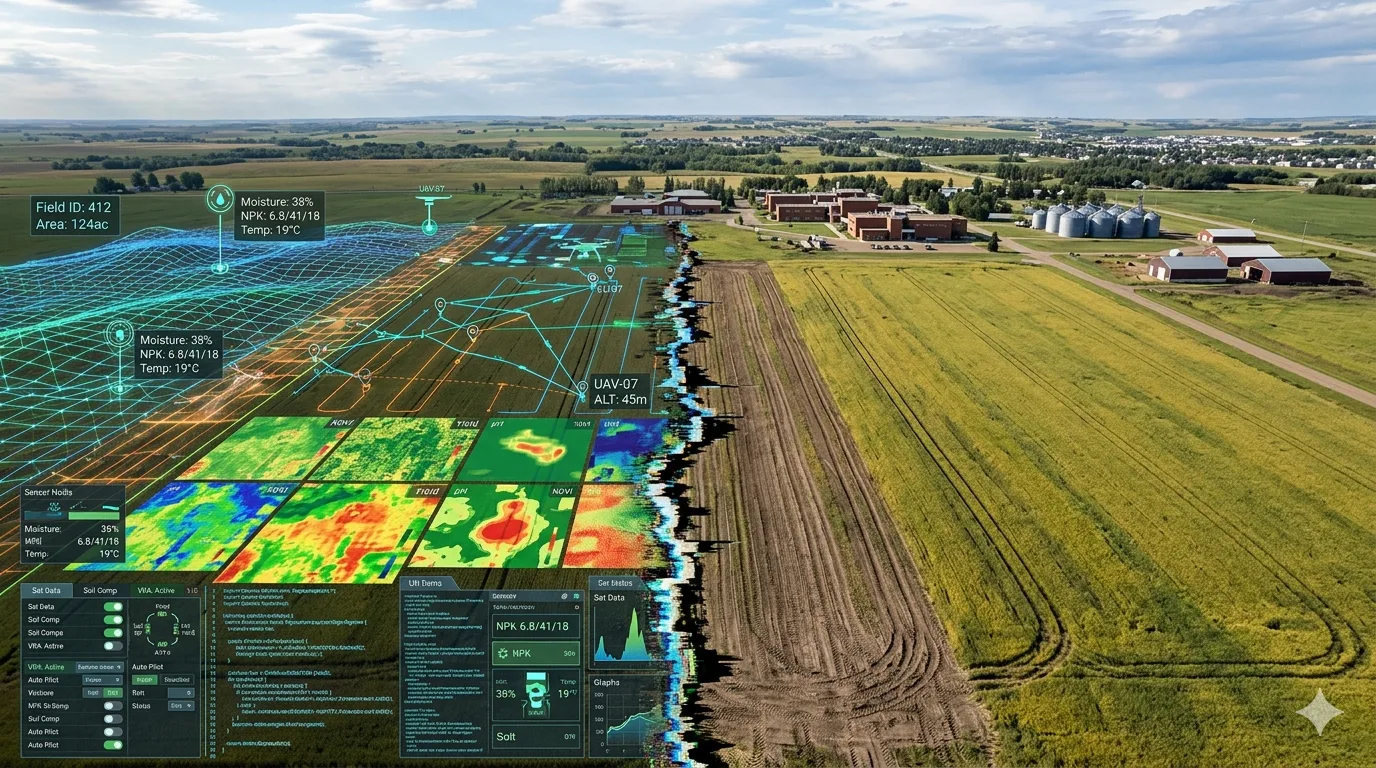
March 20, 2026
Why innovation alone won't transform Canadian agriculture
Conversation liée:
Thèmes :
Innovation and adoption
Applied research
Institutional design
Workforce development
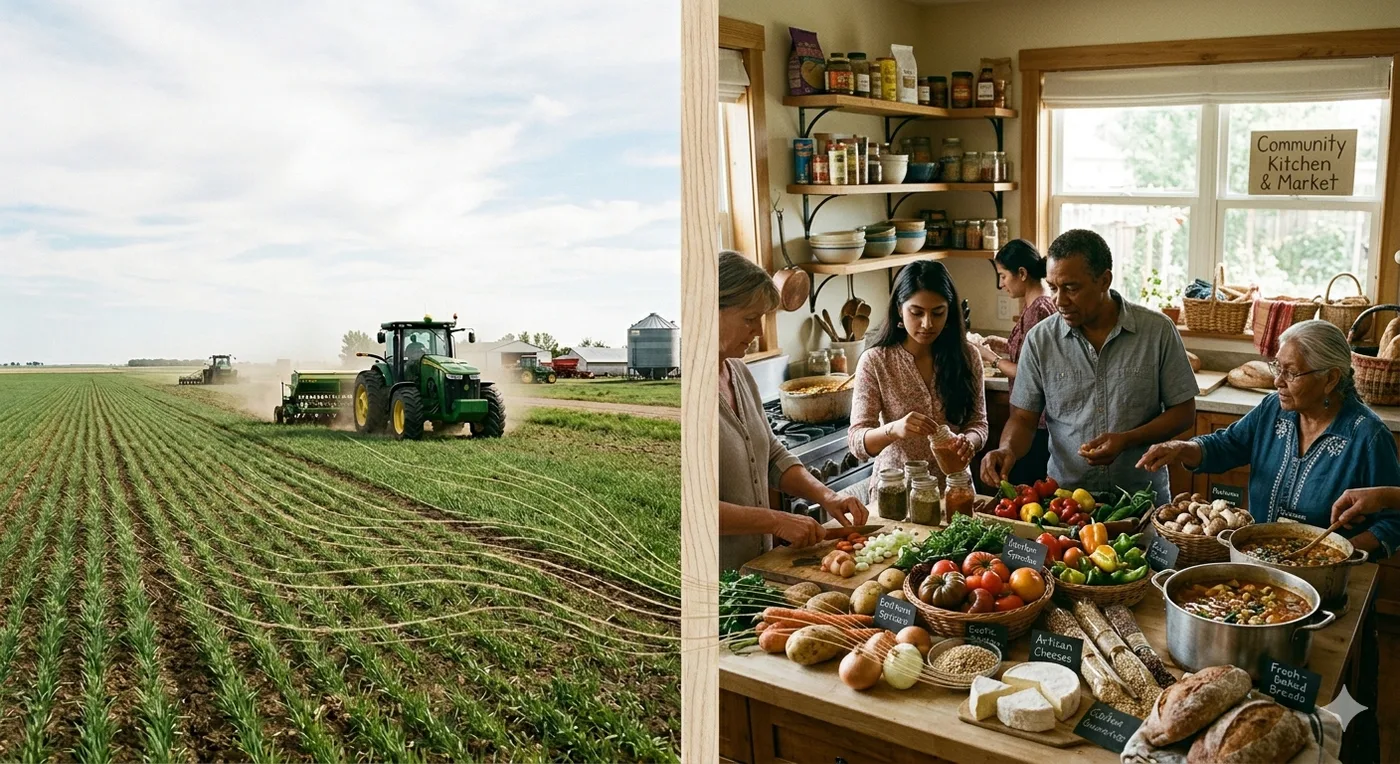
March 24, 2026
How diaspora and everyday cooking shape real demand
Conversation liée:
Thèmes :
Culture and demand
Diaspora and food systems
Food literacy
Leadership
Local food adoption
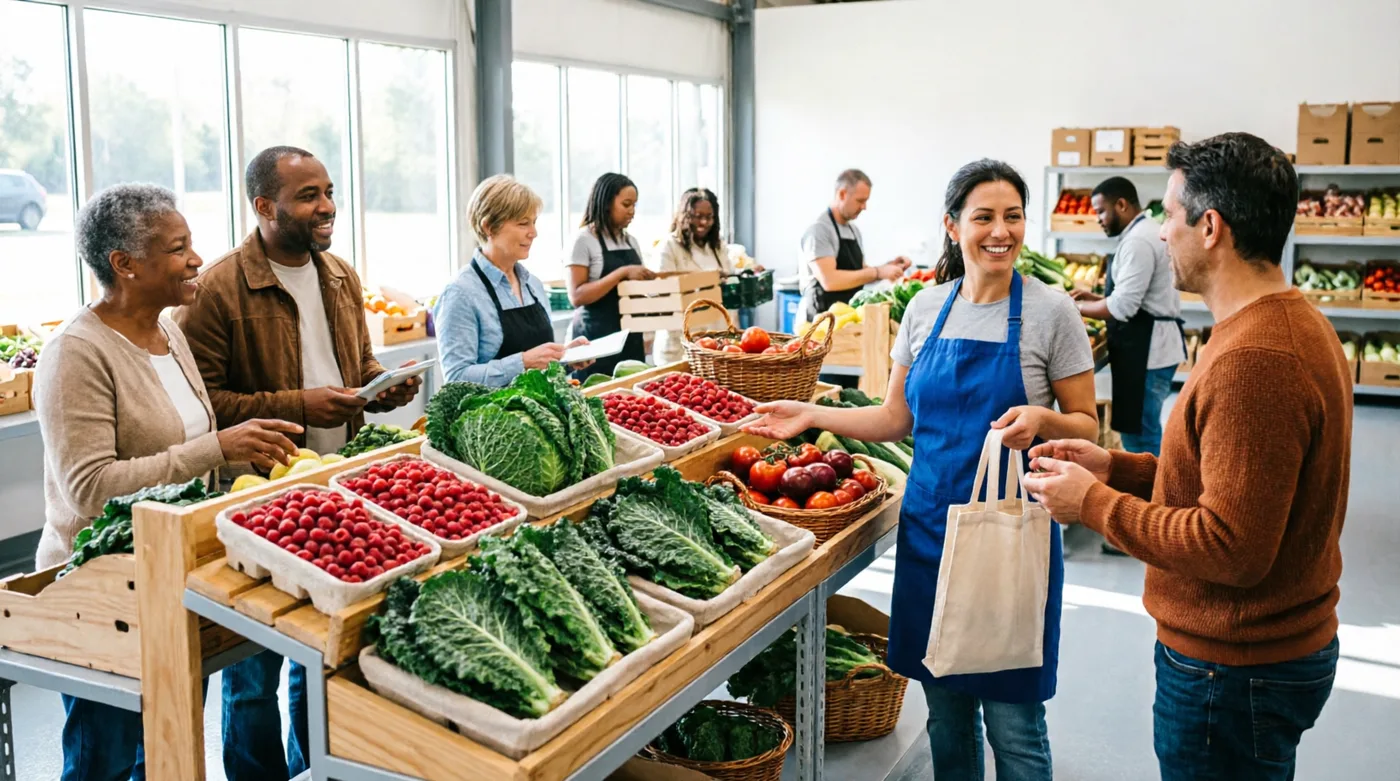
March 30, 2026
How The Mustard Seed is reimagining food assistance through choice, education, and shared space
Conversation liée:
Thèmes :
Food security
Community resilience
Food literacy
Collaborative leadership
Dignity and equity
Food rescue and waste reduction
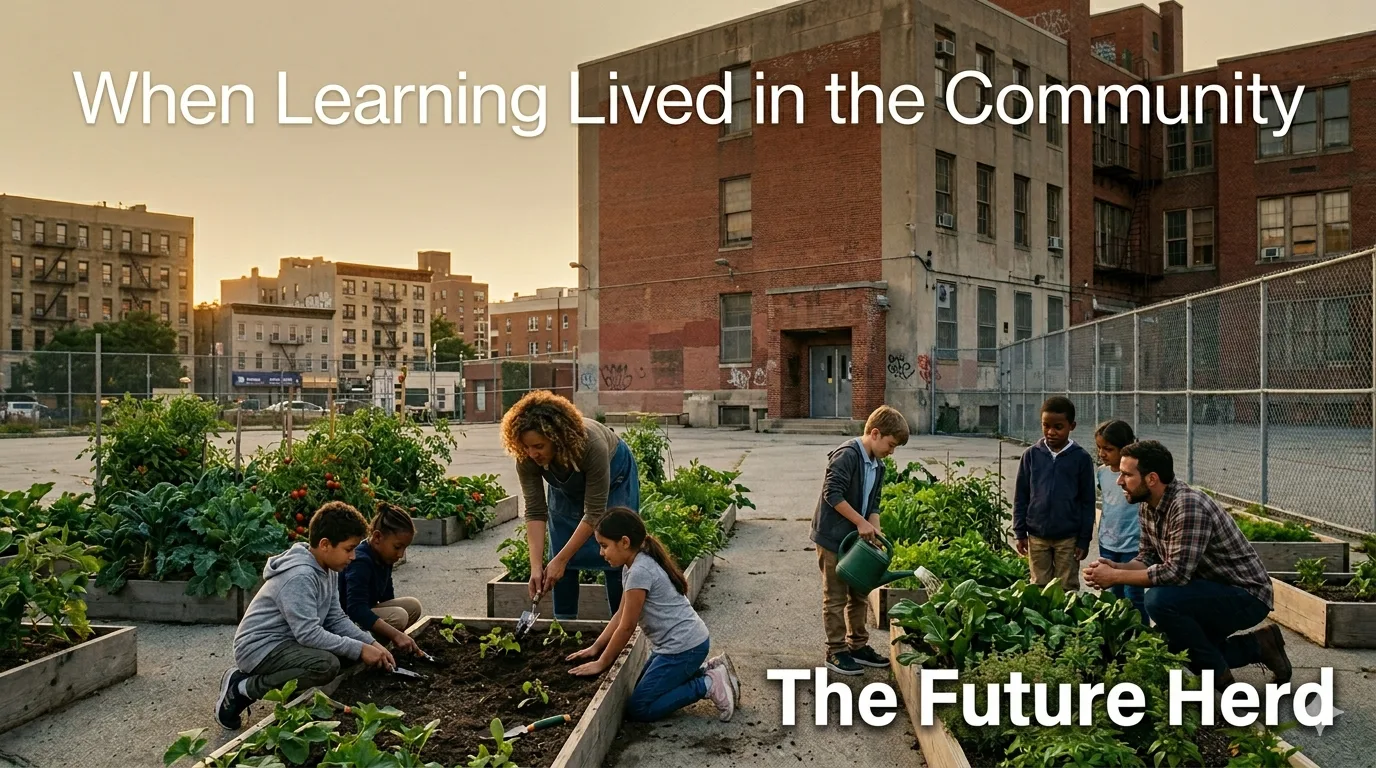
April 6, 2026
How knowledge transmission, not just production, determines agriculture's future
Conversation liée:
Thèmes :
Collaborative Learning
Knowledge Infrastructure
Systems Thinking
Agricultural Innovation
Community Practice
April 14, 2026
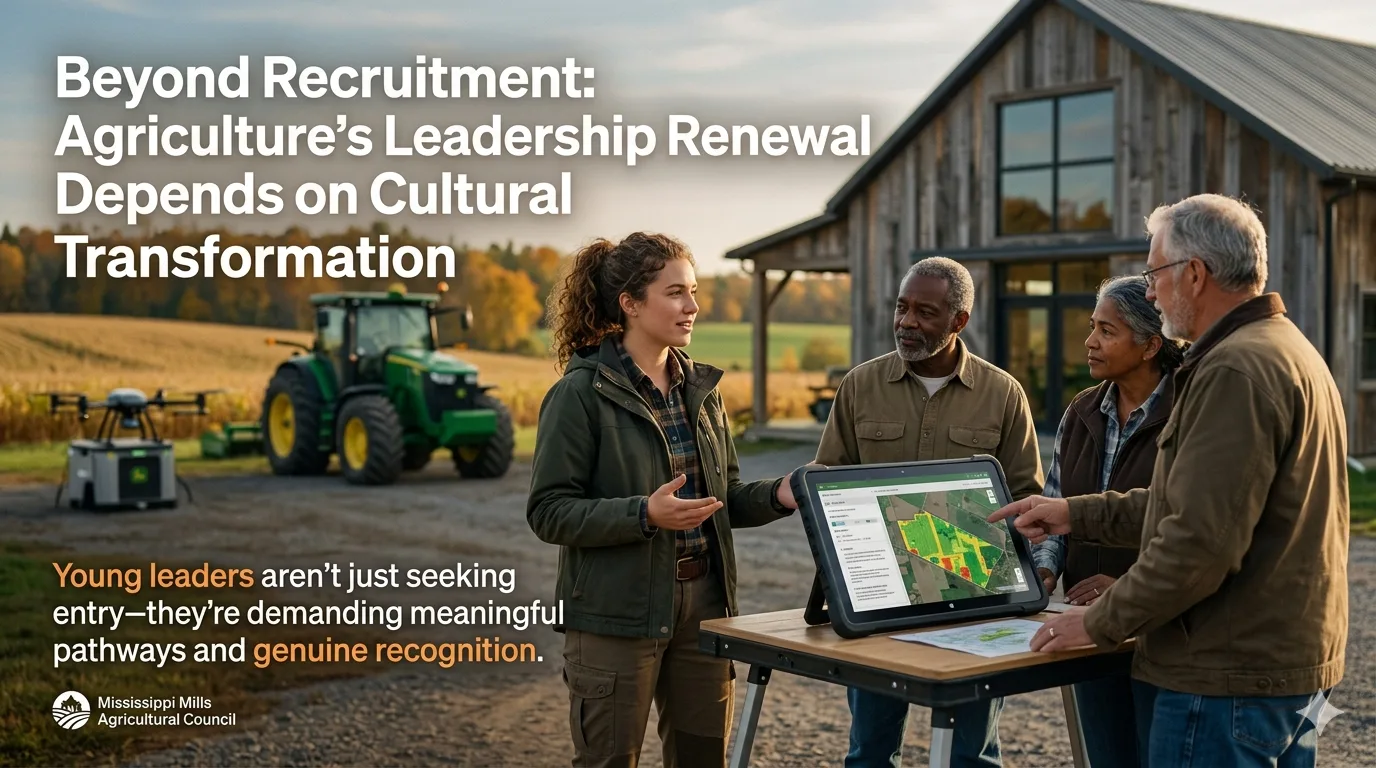
Young leaders aren't just seeking entry—they're demanding meaningful pathways and genuine recognition.
Conversation liée:
Thèmes :
Agricultural Leadership
Generational Change
Organizational Culture
Youth Empowerment
Sectoral Adaptation
April 17, 2026
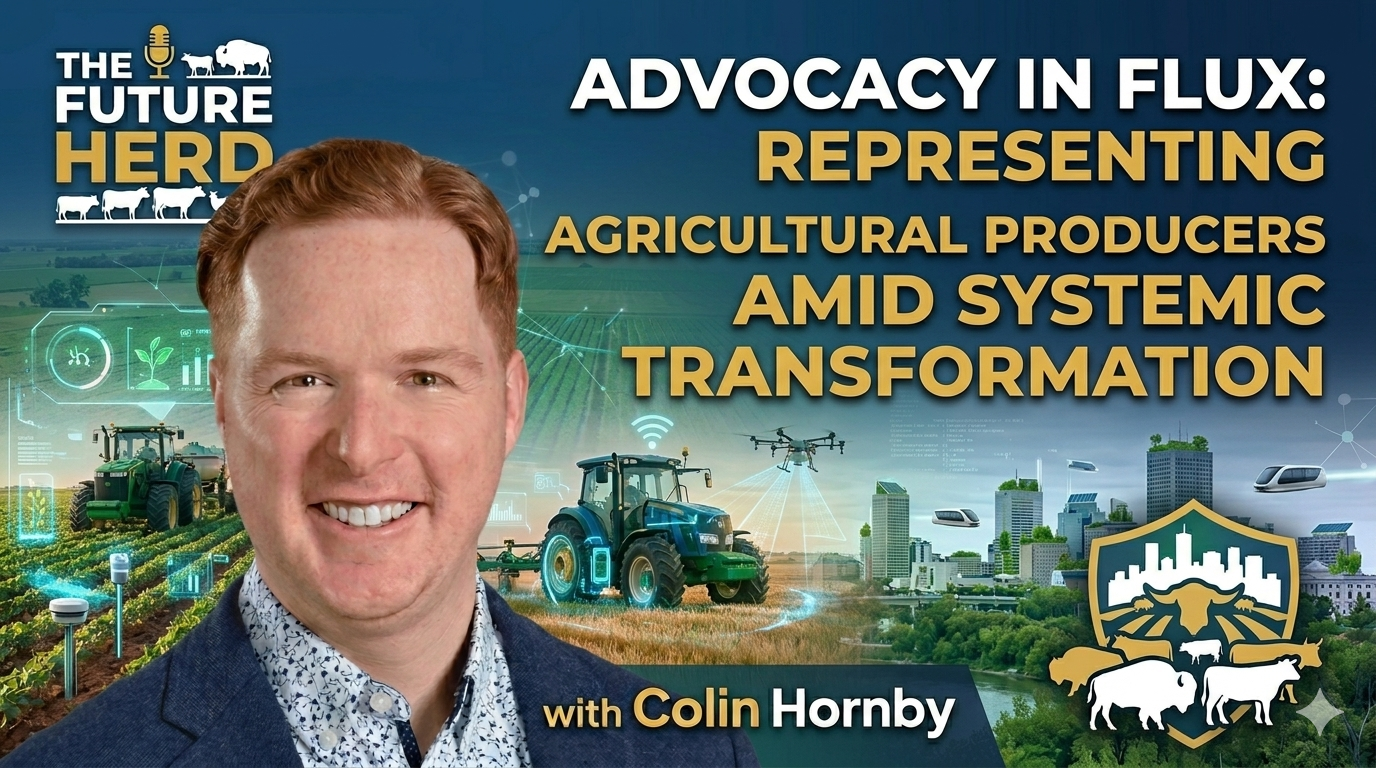
How do you advocate for a sector when the ground it stands on keeps shifting?
Conversation liée:
Thèmes :
Agricultural Policy Representation
Institutional Adaptation
Regional Agricultural Leadership
Collaborative Stakeholder Engagement
Systemic Complexity
April 21, 2026
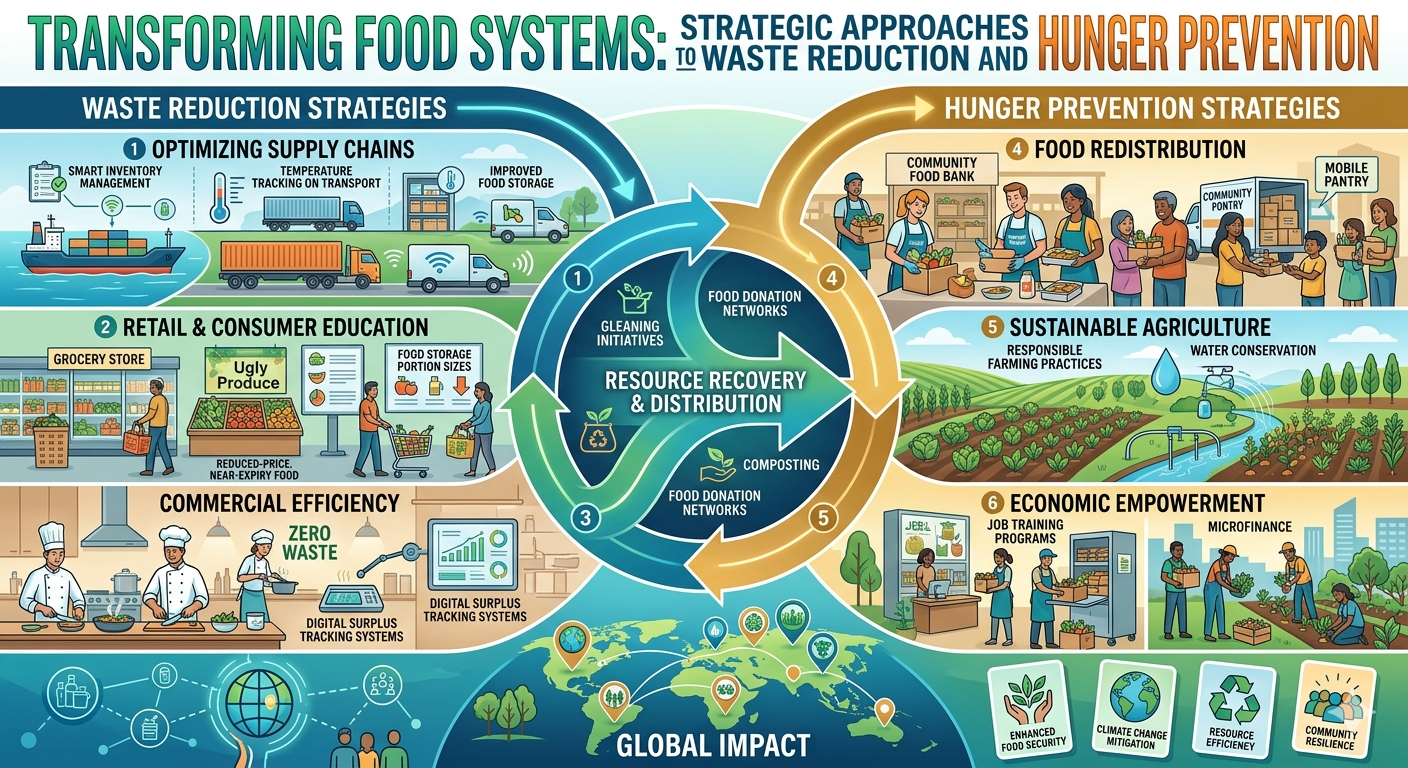
Beyond charity: Reimagining food infrastructure as a comprehensive societal strategy
Conversation liée:
Thèmes :
Food Waste Reduction
Food Security Policy
Systemic Transformation
Dignity-Centered Food Access
National Food Strategies
April 24, 2026
How computational methods are transforming the age-old practice of crop improvement
Conversation liée:
Thèmes :
Agricultural Innovation
Artificial Intelligence
Digital Agriculture
Climate Adaptation
Computational Science
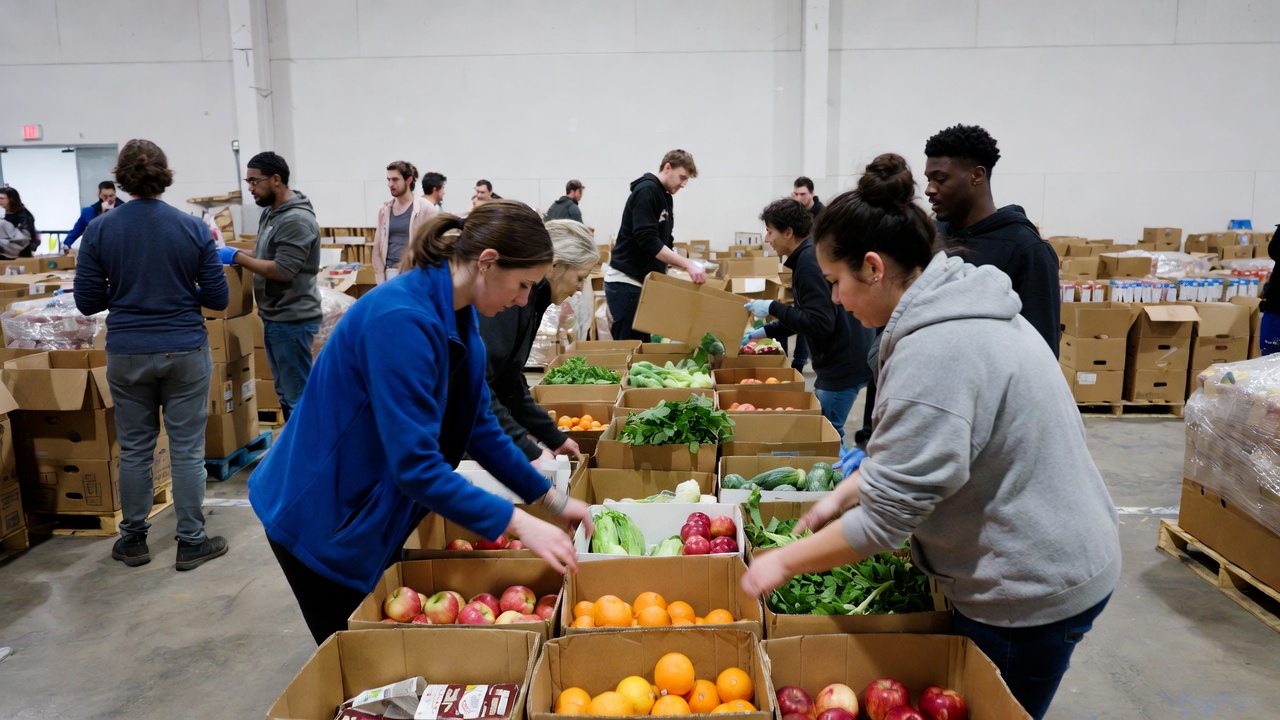
April 27, 2026
When emergency response becomes permanent infrastructure, the boundaries between survival and systemic failure blur.
Conversation liée:
Thèmes :
Food Insecurity
Urban Infrastructure
Social Policy
Community Resilience
Economic Precarity
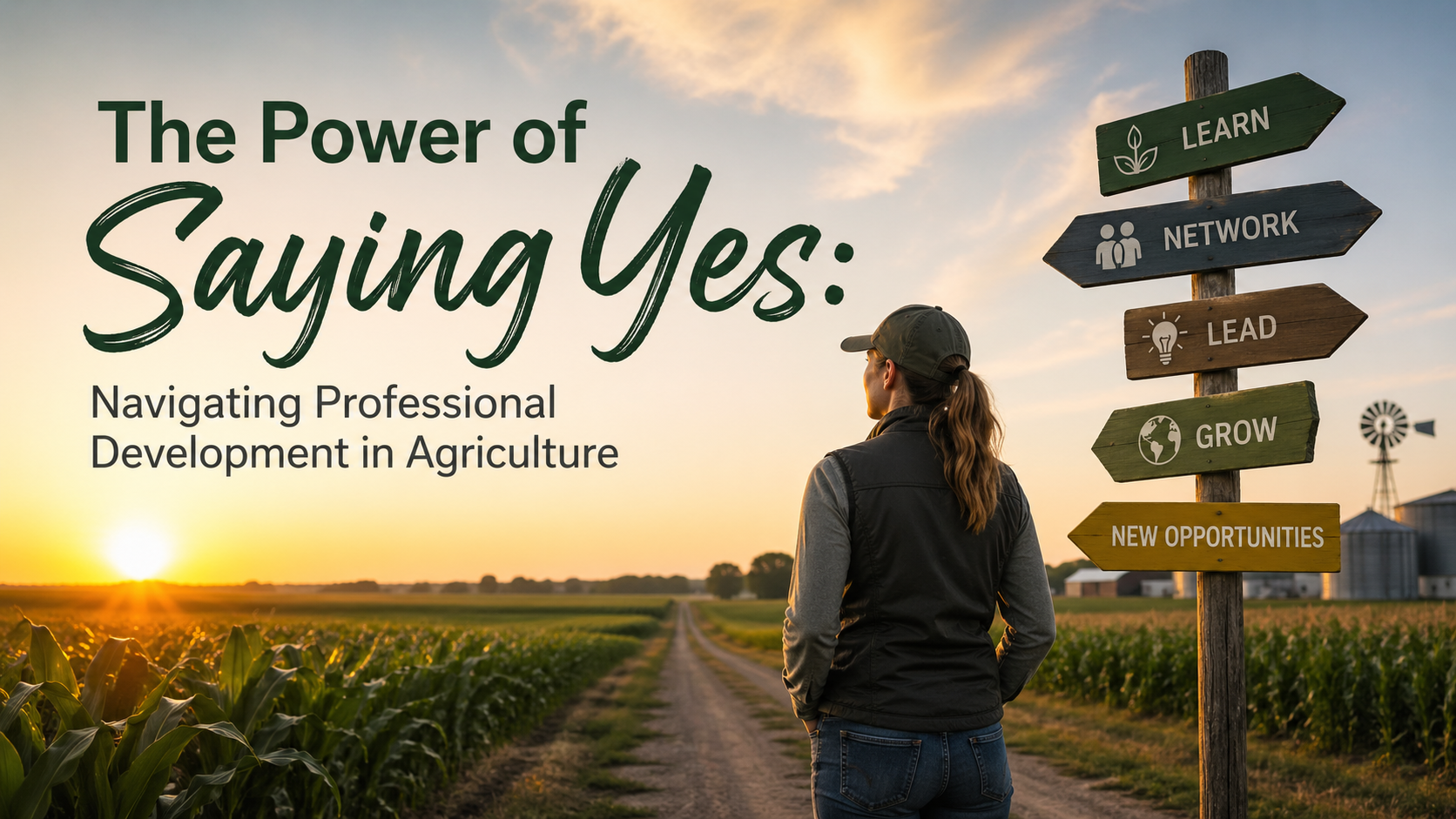
April 29, 2026
How curiosity and openness can transform unexpected opportunities into meaningful leadership journeys
Conversation liée:
Thèmes :
Professional Growth
Agricultural Leadership
Career Adaptation
Mentorship and Learning
Talent Development
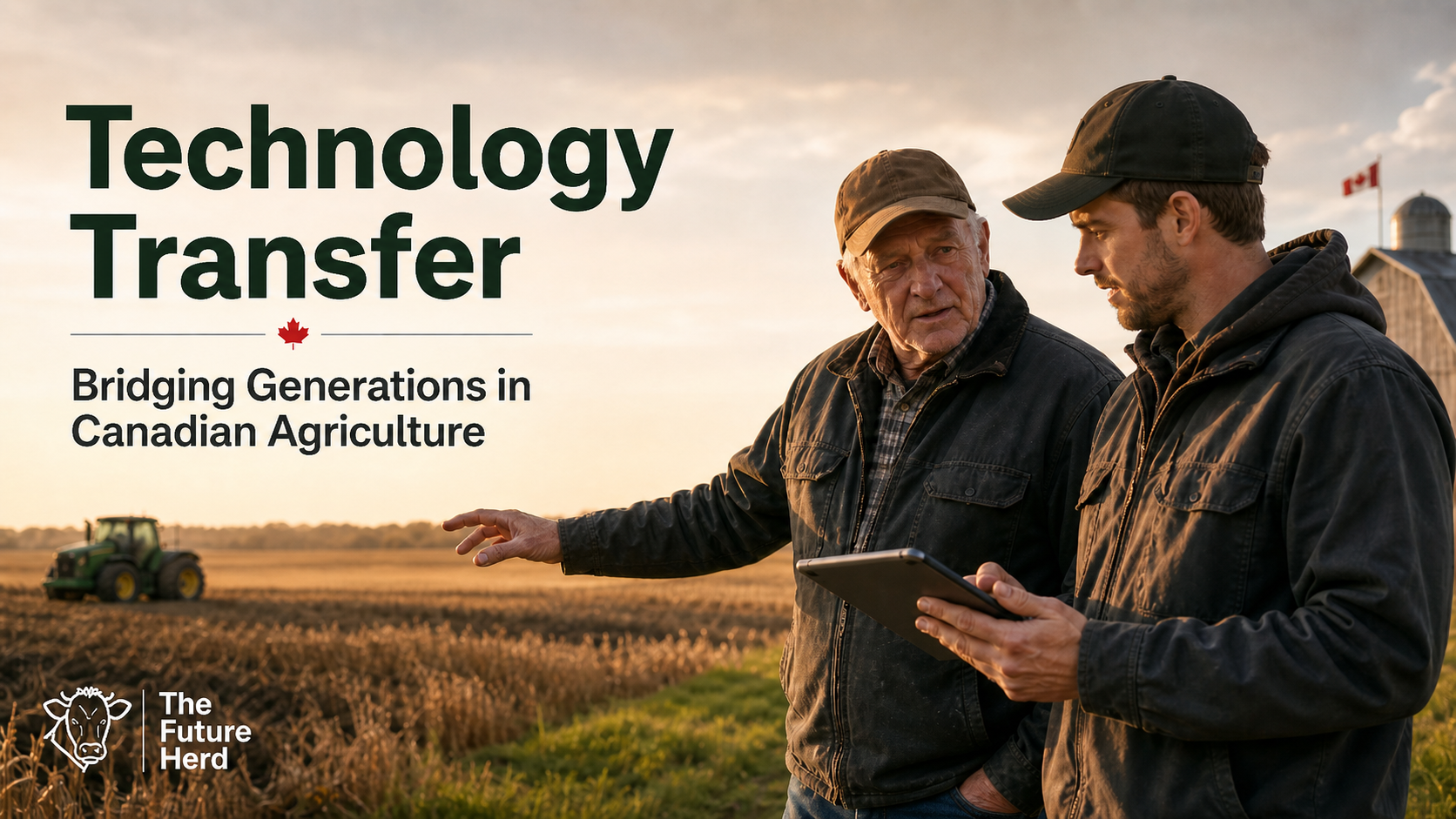
May 1, 2026
How strategic technological understanding transforms agricultural innovation from buzzword to meaningful progress
Conversation liée:
Thèmes :
Agricultural Technology
Digital Literacy
Innovation Strategy
Farmer Empowerment
Risk Management
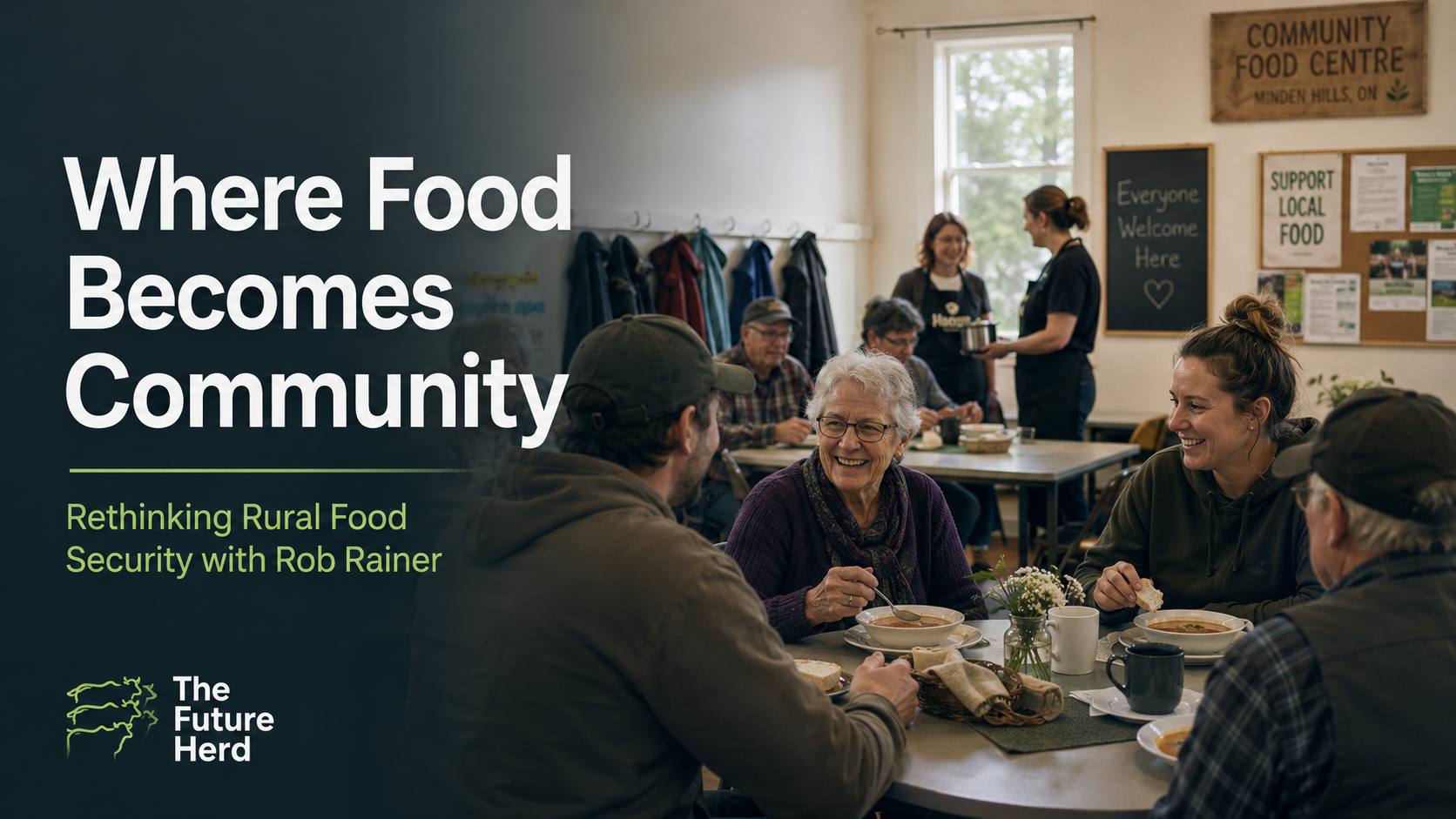
May 6, 2026
When local leadership means transforming food charity into community resilience
Conversation liée:
Thèmes :
Rural Food Security
Community Governance
Social Infrastructure
Collaborative Community Development
Grassroots Policy Innovation
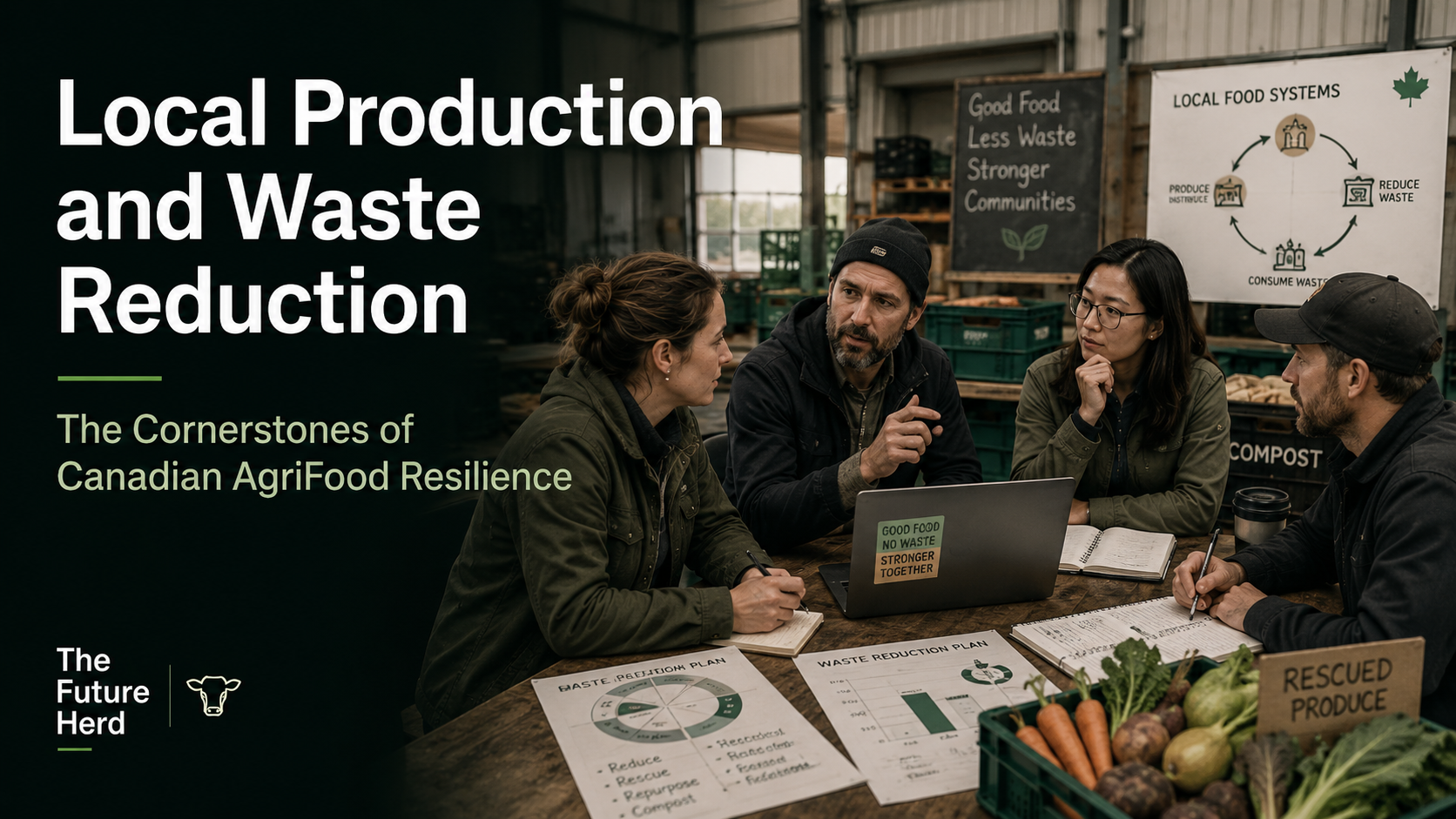
May 12, 2026
How strategic infrastructure and measurement can transform Canada's food system from fragile to robust
Conversation liée:
Thèmes :
Food System Resilience
Local Food Production
Waste Reduction
Infrastructure Development
Data Measurement
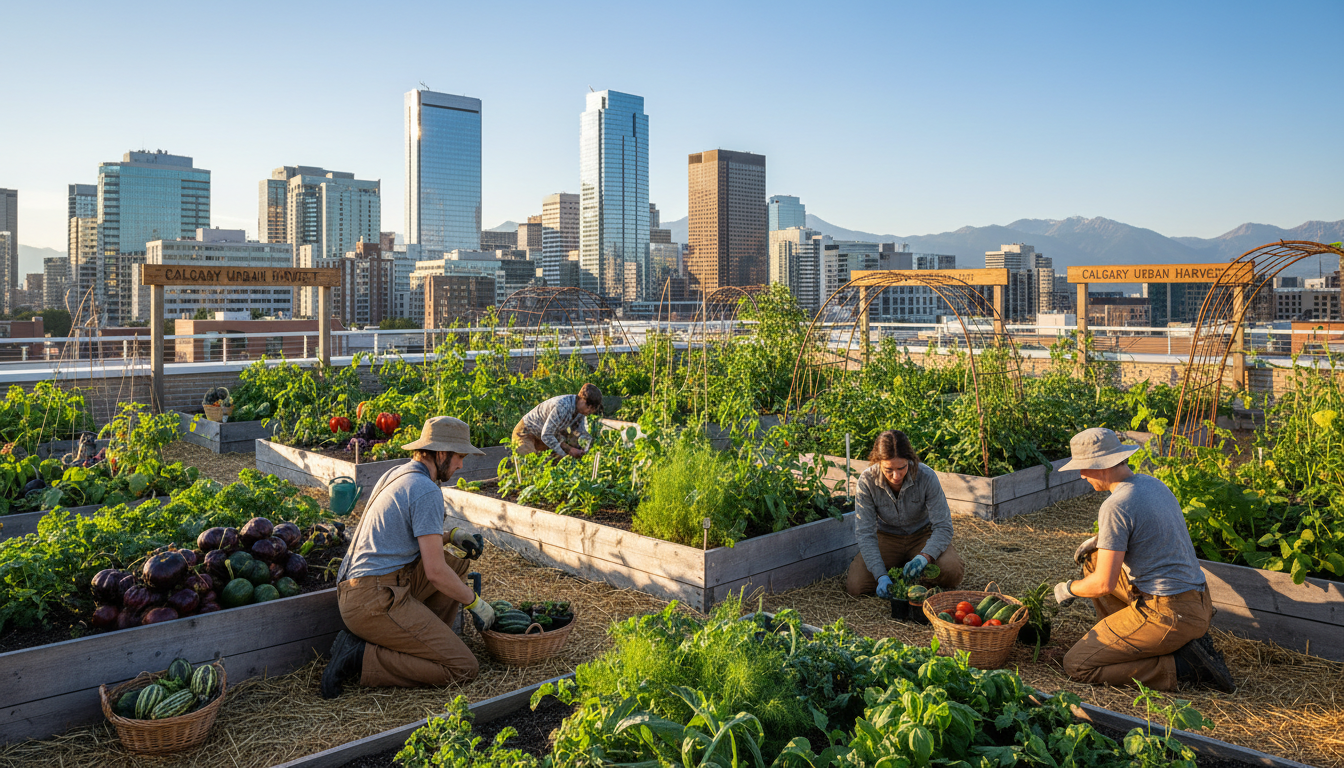
May 14, 2026
When a researcher asks people about chronic illness and they keep talking about food, that's not a detour — that's the finding.
Conversation liée:
Thèmes :
The Grocery Store as Curated Media Environment
Food Identity Beyond Biochemistry
Industry Advertising and the Manufacturing of Health Claims
How Research Subjects Redirect the Researcher
Class and Power in the Canadian Food Supply
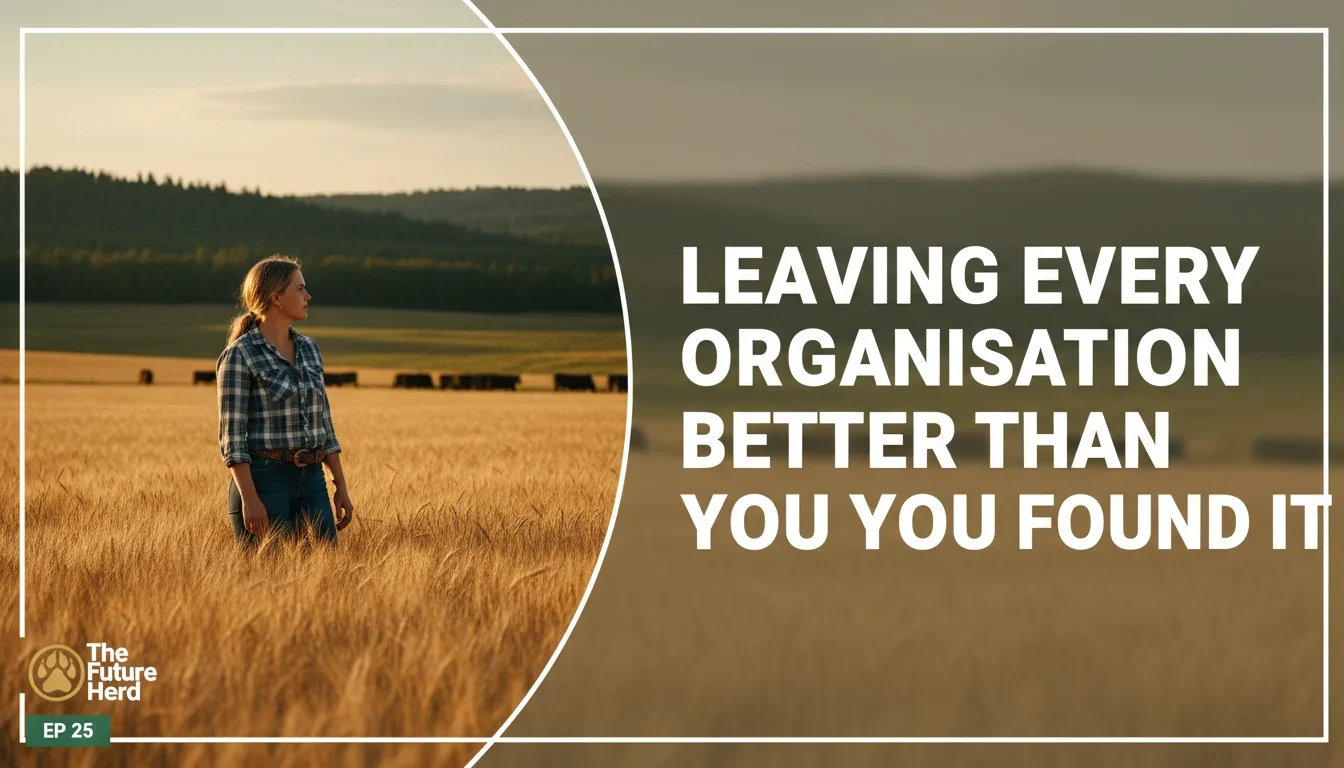
May 19, 2026
When your work day runs from 7 AM to 11 PM, sleep isn't a luxury you earn — it's the non-negotiable input that makes everything else function.
Conversation liée:
Thèmes :
Sleep as Cognitive Capital
Battery Framing as Mental Health Reentry Point
Emotional Soft Skills Over Technical Knowledge
The Hidden Cost of Entrepreneurial Hustle Culture
Saying No as a Learned Leadership Competency
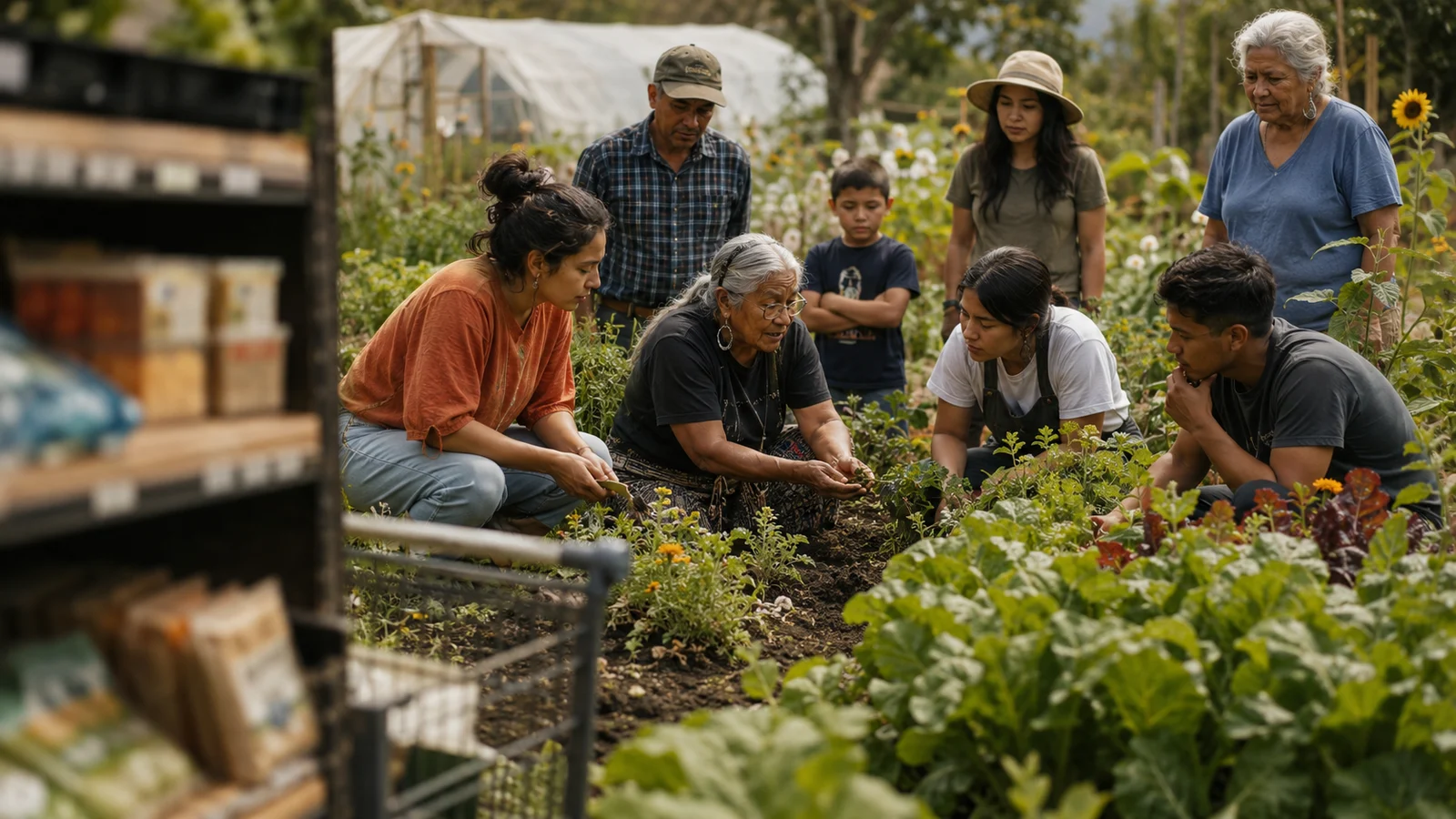
May 22, 2026
When food literacy stops at the grocery aisle, it mistakes the symptom for the system.
Conversation liée:
Thèmes :
Agroecology as Political Practice, Not Technical Checklist
The Isolation Problem in Food Systems Thinking
Indigenous Knowledge as Structural Critique
Food Sovereignty and the Three Pillars of Agroecology
Consumer Choice as a Deflection from Policy Failure

May 26, 2026
When 170,000 people produce 25% of Canada's potatoes and carry an agricultural emissions profile more than double the national average, the island's food system becomes a case study in concentrated consequence.
Conversation liée:
Thèmes :
Agricultural Disproportionality and Small-Province Economic Identity
Emissions Concentration as a Governance Pressure Point
Cooperative Ownership as a Structural Advantage
Phytosanitary Politics and the Vulnerability of Export Dependency
Ecological Systems Thinking Applied to Agri-Food Leadership
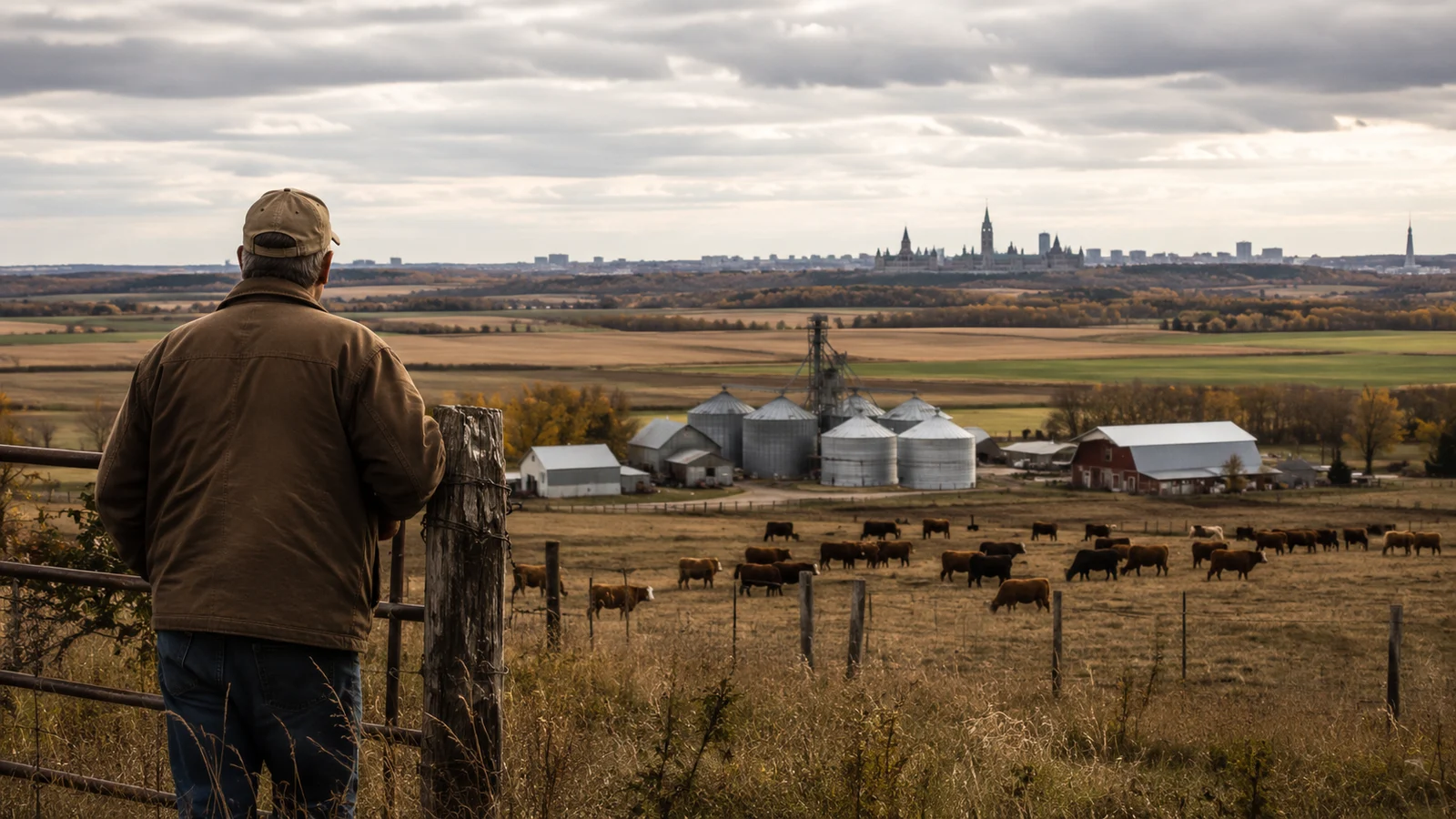
May 29, 2026
When governments close research stations to save $200 million against a $75 billion deficit, they're not making a budget decision — they're making a values decision.
Conversation liée:
Thèmes :
Performed Consultation vs. Substantive Listening
Research Infrastructure as Agricultural Foundation
The Traceability Disconnect Between Industry and Producers
Food Security as a Political Priority Gap
Regulatory Distance from the Farm Gate
Chemins des épisodes vers les synthèses de connaissances
February 1, 2026
This introductory episode sets the foundation for the season by introducing the core idea behind the “future herd”: food systems are made up of many independent actors—farmers, animals, ecosystems, institutions, technologies, and communities—coordinating without central control. Adaptation emerges from interaction, not command.
Aucune synthèse de connaissances liée n'est encore associée.
February 2, 2026
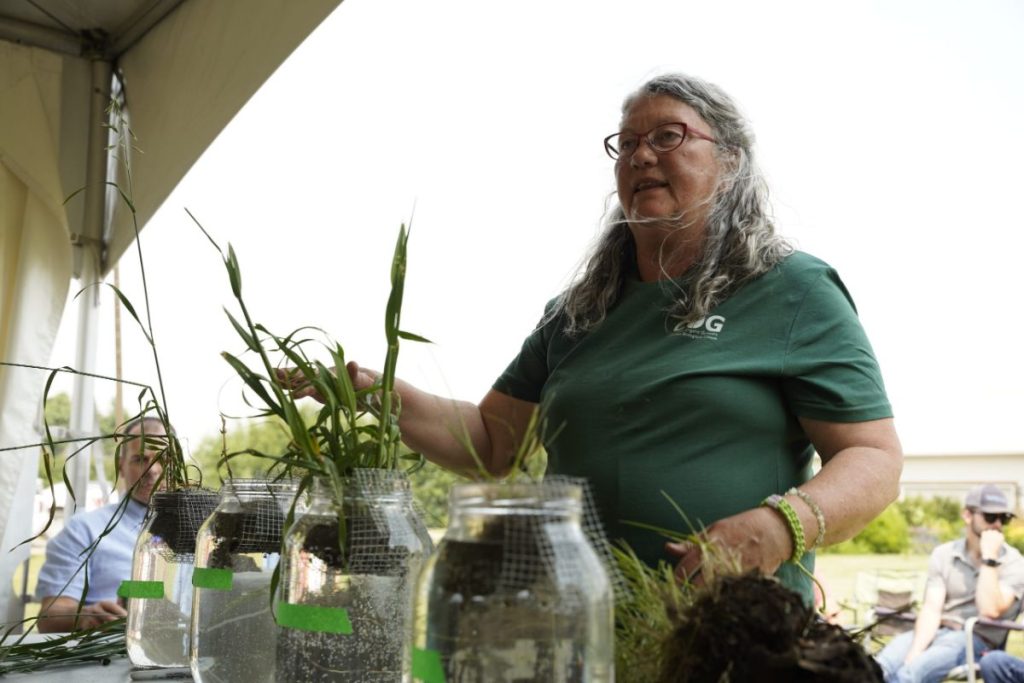
The Dance of Foresight: Reimagining Leadership in Agri-Food
Synthèse de connaissances liée:

February 9, 2026
Jennifer Wright (CAHRC) joins Jesse Hirsh to explore the skills, training models, and collaboration needed to prepare Canada’s agri-food workforce for 2050.
Synthèse de connaissances liée:

February 17, 2026
Jesse Hirsh speaks with University of Guelph President and Vice Chancellor Rene Van Acker about leadership, collaboration, and long-term institutional responsibility in building a resilient agri-food future.
Synthèse de connaissances liée:
February 23, 2026
Jesse Hirsh speaks with Dana McCauley about food innovation culture, commercialization realities, and what Canada needs to build a more competitive agri-food system.
Synthèse de connaissances liée:

March 1, 2026
Jesse Hirsh speaks with Tyler McCann of CAPI about geopolitical volatility, policy leadership, value-added capacity, and what it means to treat agri-food as a strategic sector.
Synthèse de connaissances liée:
March 5, 2026
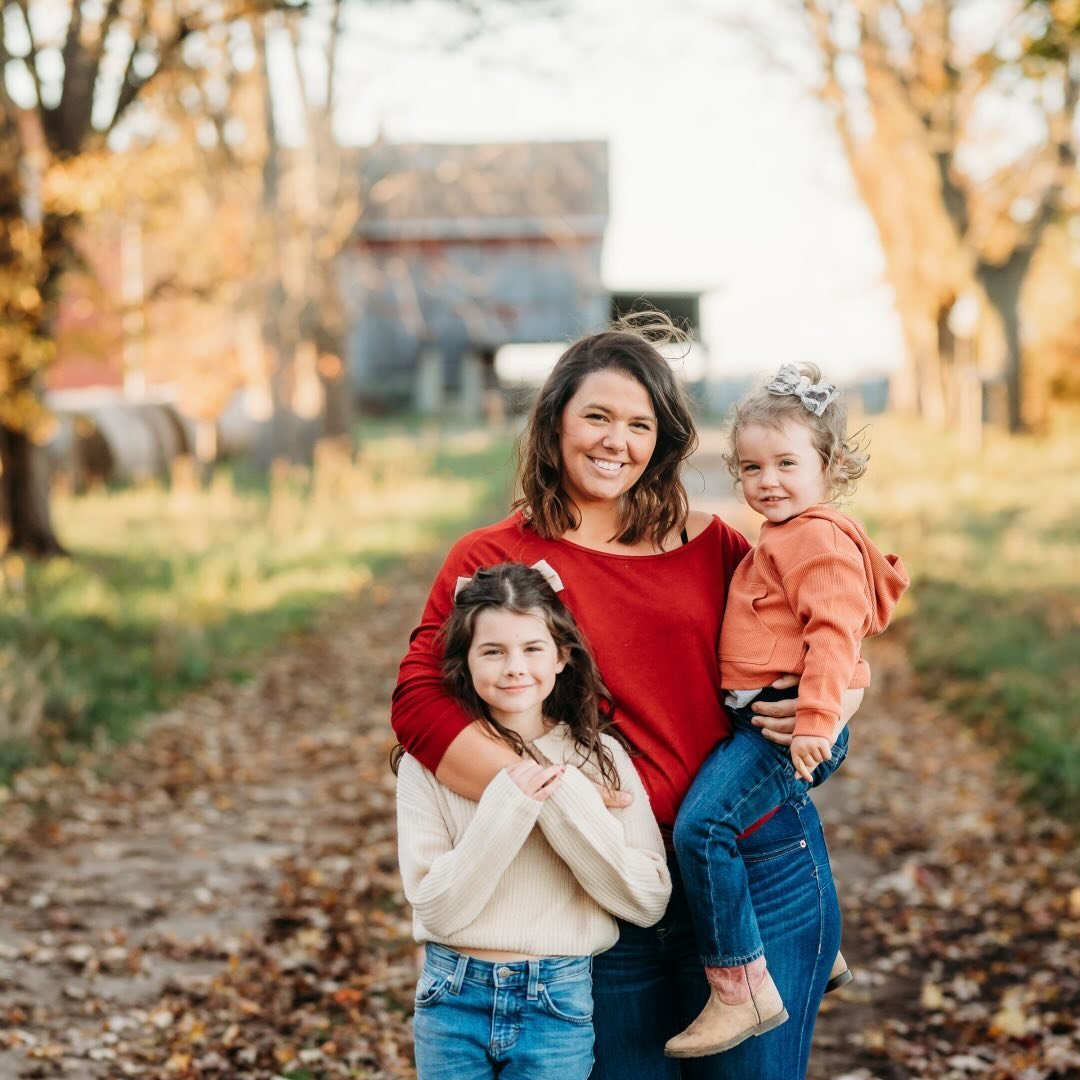
Jesse Hirsh speaks with farm leader Steph Towers about curiosity, transparency, emotional intelligence, and the relationships needed for agriculture to lead through uncertainty.
Synthèse de connaissances liée:
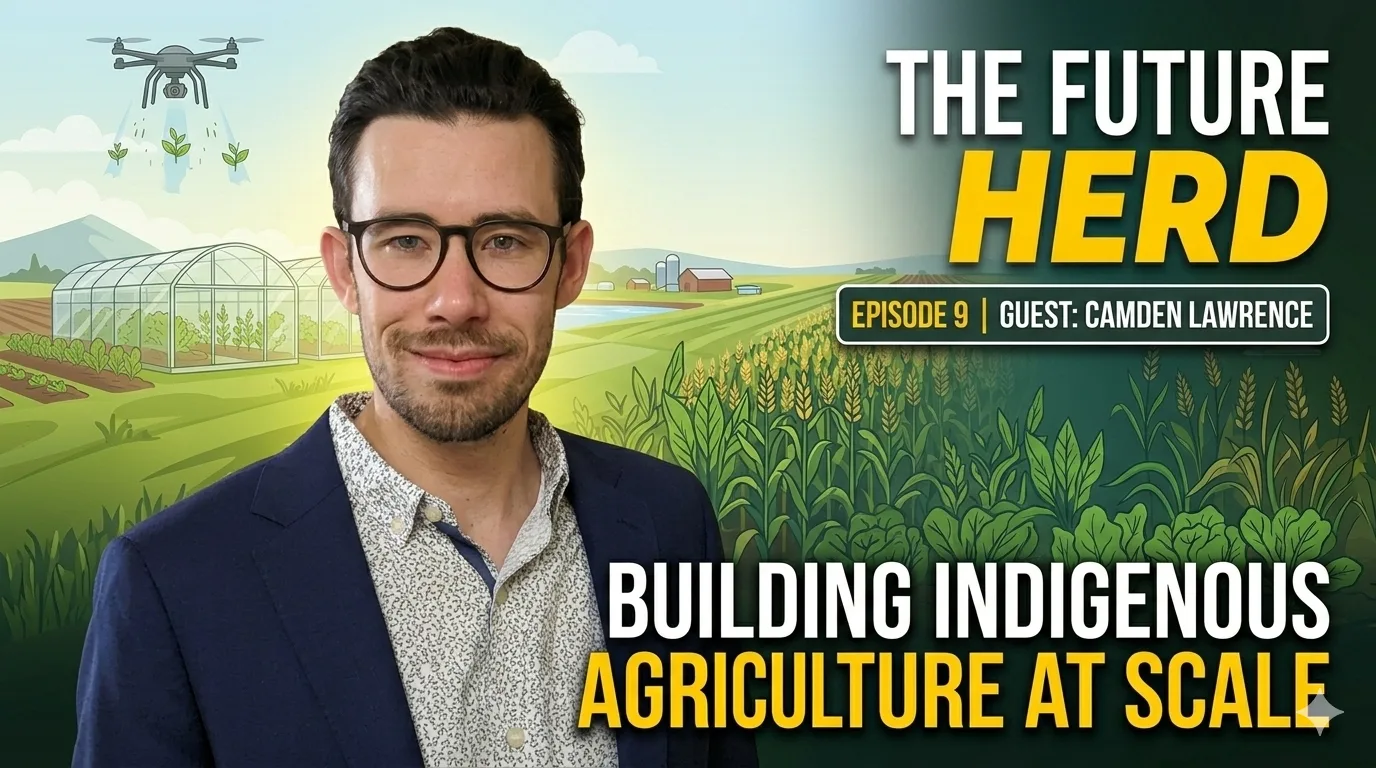
March 9, 2026
Jesse Hirsh speaks with Camden Lawrence of First Nations Agriculture & Finance Ontario about Indigenous agriculture as economic development, the capital requirements of modern farming, and the demographic opportunity that First Nations communities represent for Canada's agri-food sector.
Synthèse de connaissances liée:
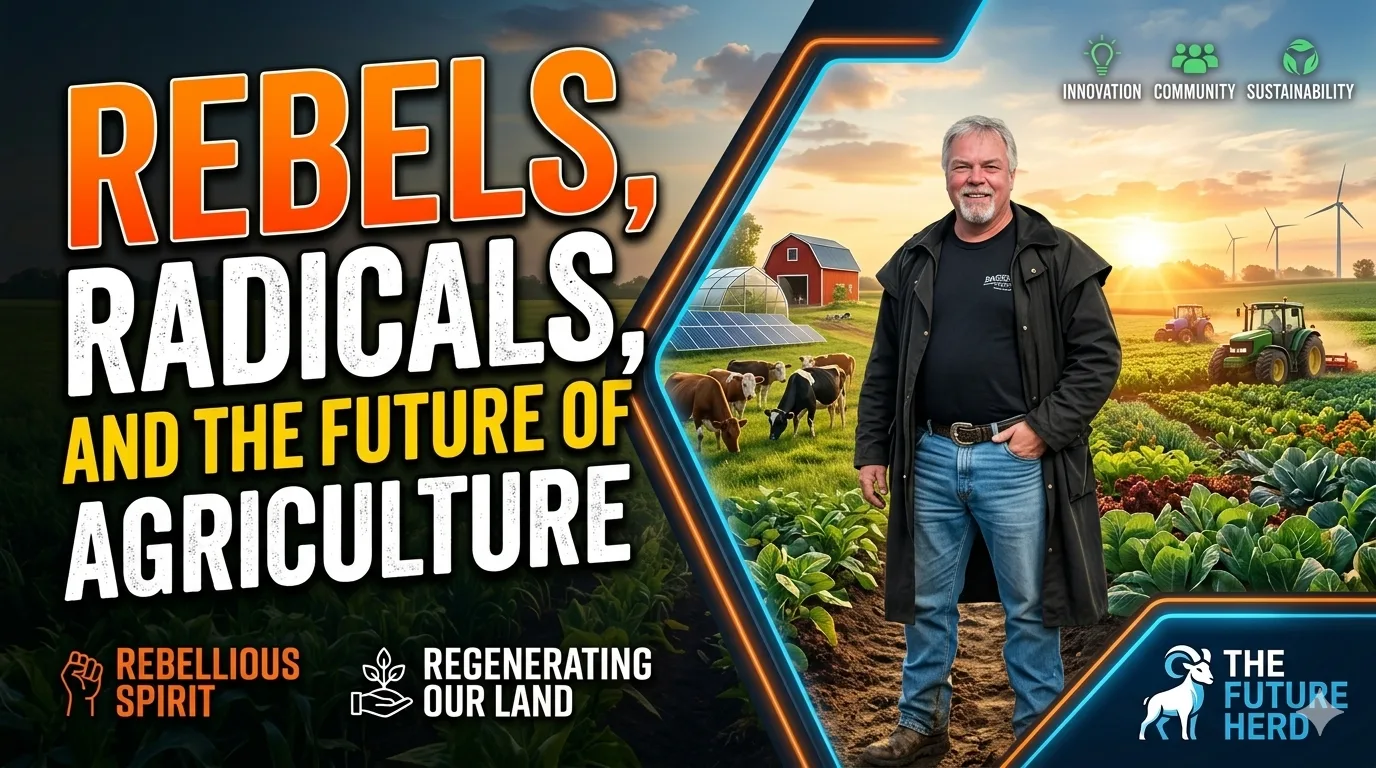
March 17, 2026
Jesse Hirsh speaks with Jamie Reaume — nearly three decades inside Canada's agri-food sector — about why the sector's institutional conversations rarely change, what independent thinking costs, and why dissent is essential if agriculture is going to navigate the decades ahead.
Synthèse de connaissances liée:
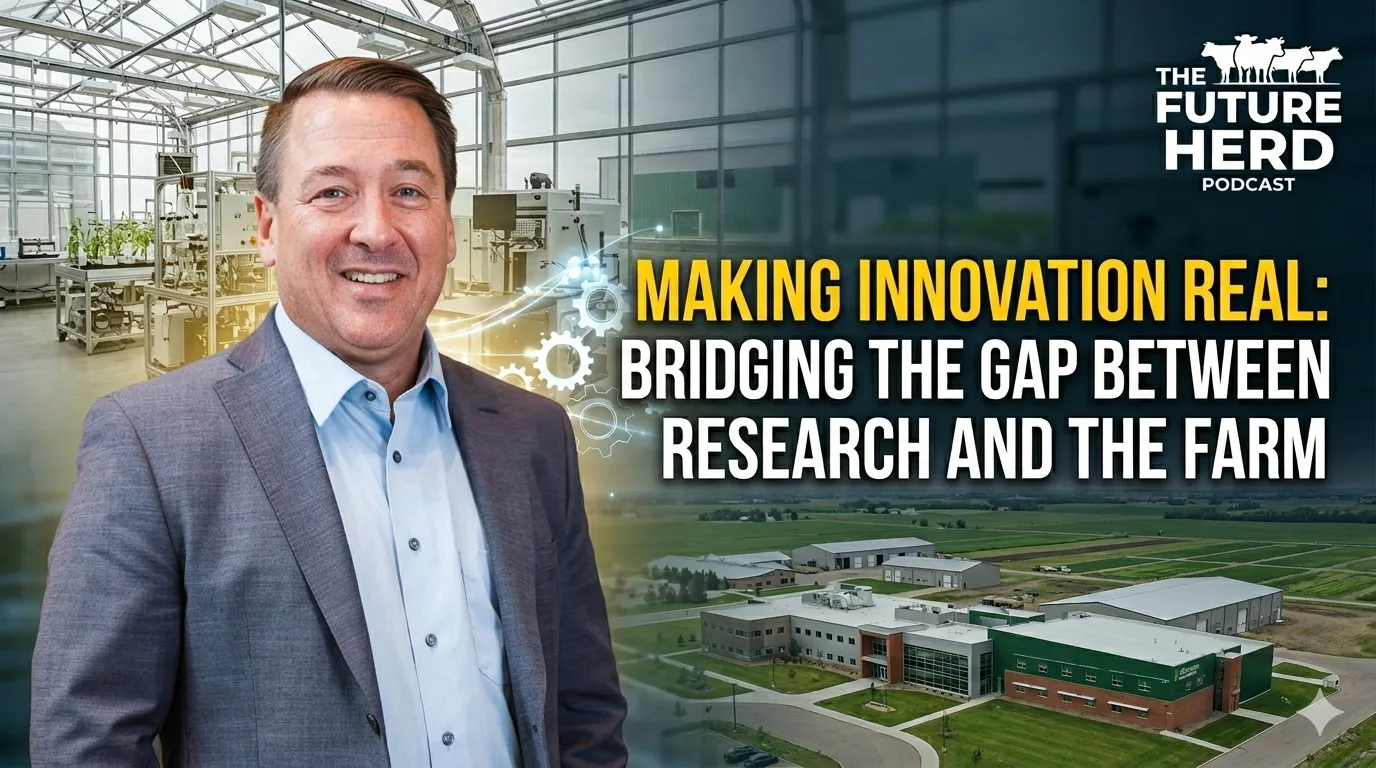
March 20, 2026
Jesse Hirsh speaks with Todd Ormann of Olds College about why so many promising agricultural technologies struggle to reach the farm, and what it actually takes to close that gap — from applied research and Smart Farms to workforce development and Canada's fragmented innovation system.
Synthèse de connaissances liée:

March 24, 2026
Raj Thandhi — chef, recipe developer, and food educator behind Pink Chai Living — joins Jesse Hirsh to explore how culture shapes demand, why food has to 'belong' before it moves, and what diaspora cuisine reveals about the infrastructure that actually connects agriculture to everyday life.
Synthèse de connaissances liée:

March 30, 2026
Treska Watson, Executive Director at The Mustard Seed Street Church, confronts the stark contradictions of food insecurity in a nation known for agricultural abundance. Through innovative food rescue and distribution strategies, she reveals how collaborative leadership can transform broken systems and restore human dignity.
Synthèse de connaissances liée:
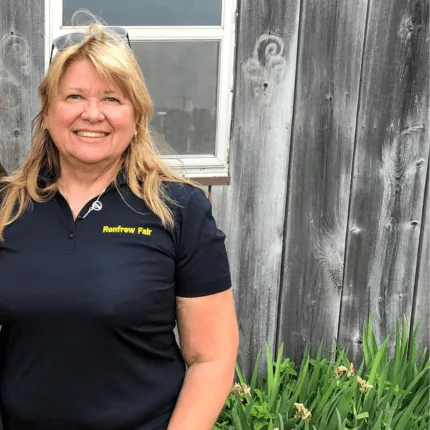
March 30, 2026
Barb Scott-Cole explores the often-invisible social systems that sustain agricultural communities and knowledge transfer. Her insights reveal how learning, leadership, and adaptation happen through participation, challenging our understanding of innovation beyond technology and formal structures.
Synthèse de connaissances liée:
April 14, 2026
Jordyn Domio, President of the Junior Farmers Association of Ontario, explores the unspoken conditions that shape agricultural participation. Her conversation challenges conventional narratives about youth recruitment by focusing on the subtle cultural dynamics that determine who gets invited into the sector.
Synthèse de connaissances liée:
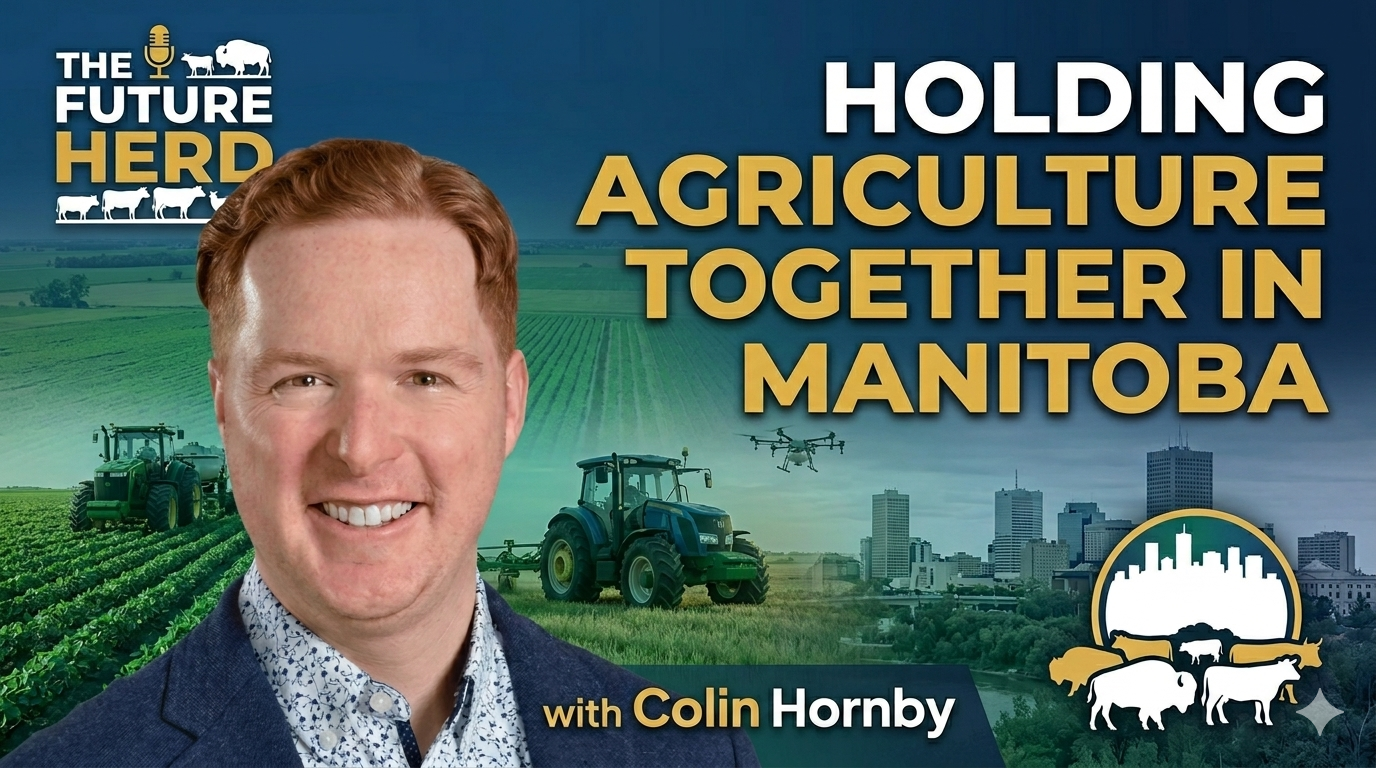
April 17, 2026
Colin Hornby, Executive Director of Keystone Agricultural Producers, joins The Future Herd to explore the complex landscape of agricultural representation in Manitoba. Through his lens, the episode examines how policy, risk, and advocacy intersect in a province that sits at the center of Canada's agricultural innovation.
Synthèse de connaissances liée:
April 21, 2026
Lori Nikkel, CEO of Second Harvest, offers a transformative perspective on food waste and food security in Canada. Through data-driven insights and systemic thinking, she challenges listeners to see food redistribution not as charity, but as critical infrastructure for societal change.
Synthèse de connaissances liée:
April 24, 2026
Dr. Mohsen Yoosefzadeh Najafabadi explores the emerging field of computational plant breeding, revealing how artificial intelligence and data science are transforming agricultural research. Through his work at the University of Guelph, he demonstrates how machine learning can accelerate crop development and address future food security challenges.
Synthèse de connaissances liée:
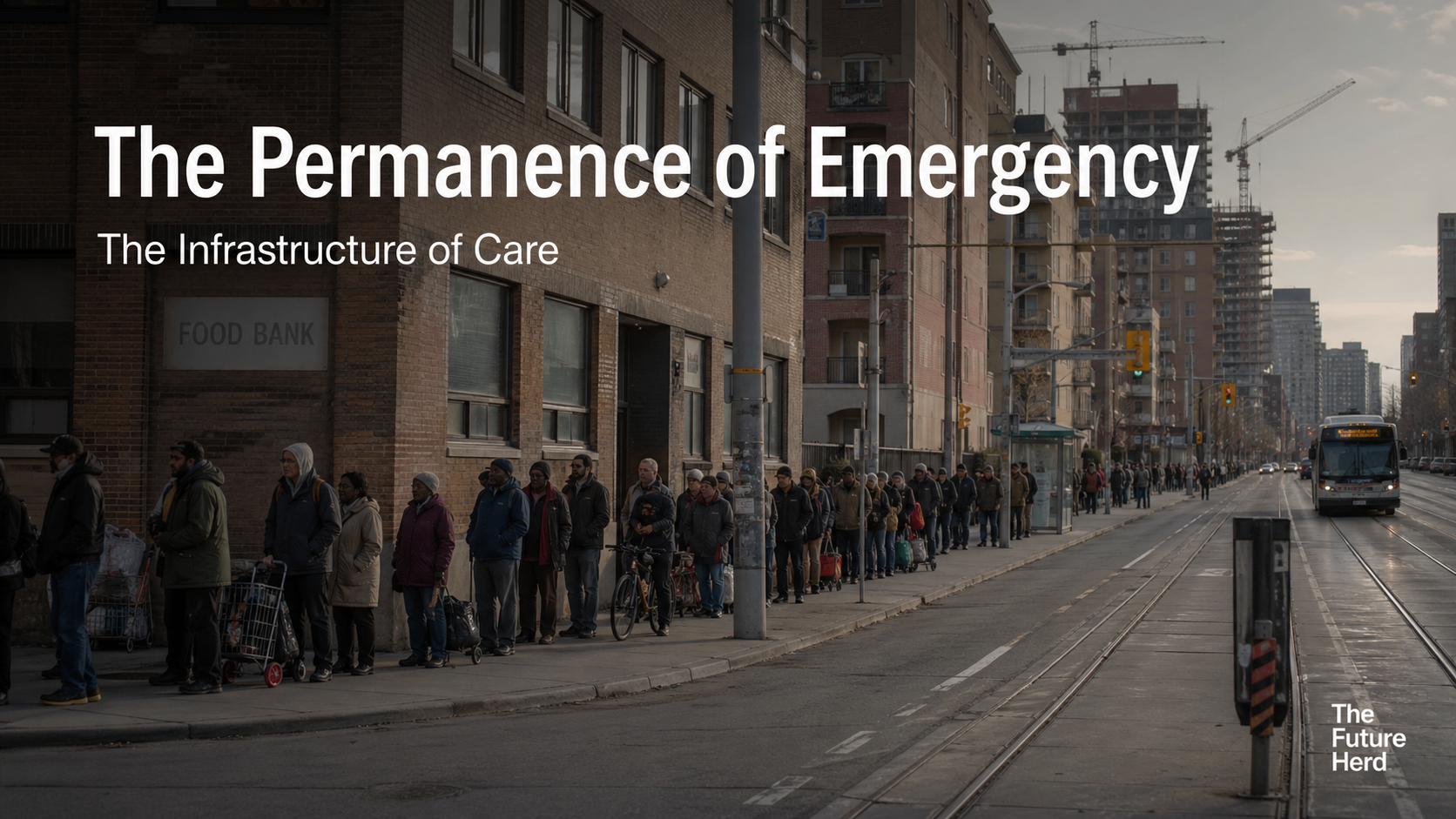
April 27, 2026
Neil Hetherington, CEO of Toronto's Daily Bread Food Bank, offers a revealing look inside one of Canada's most critical food security organizations. Through his lens, the episode explores how food banks have evolved from emergency response to essential urban infrastructure.
Synthèse de connaissances liée:
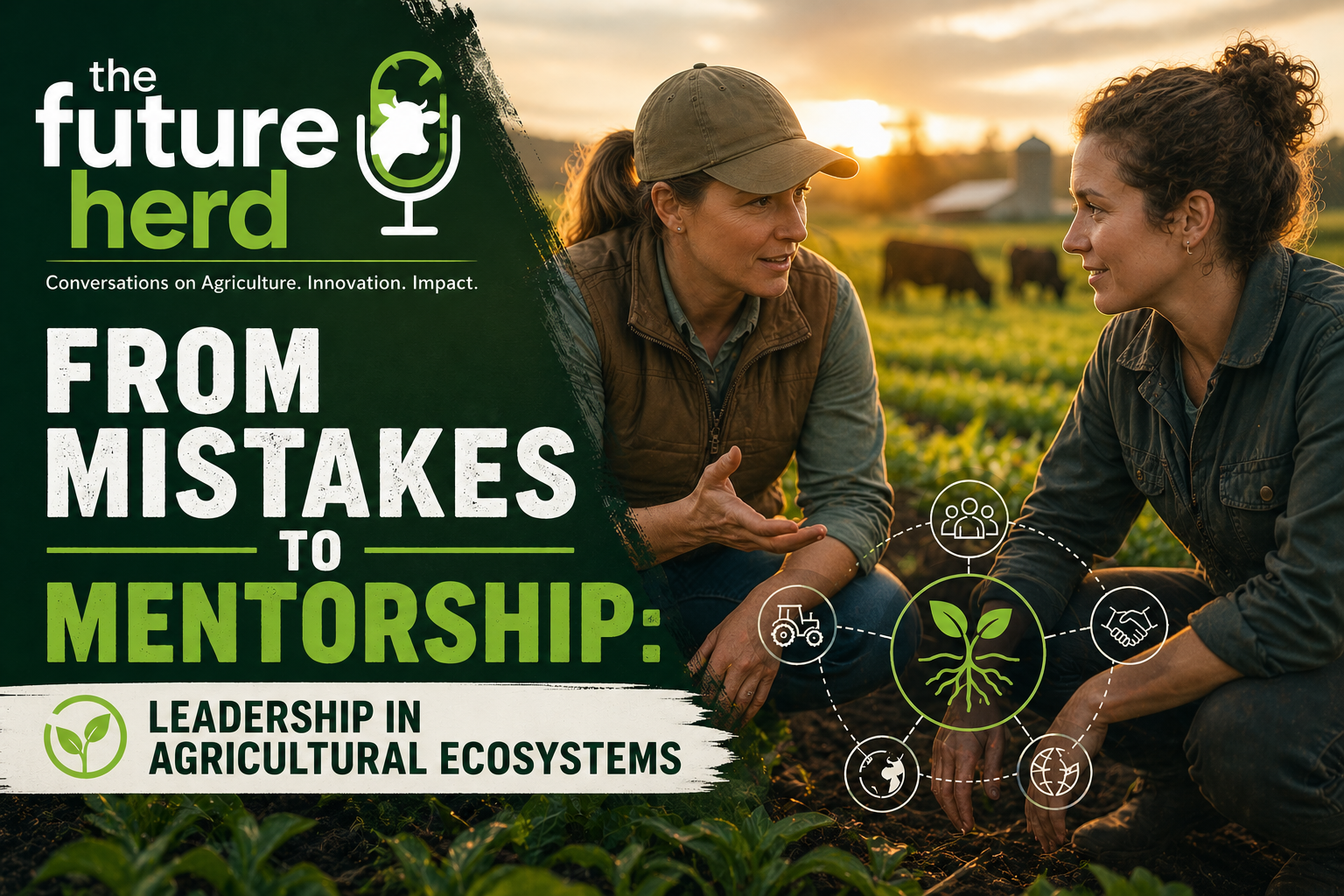
April 29, 2026
Jesse Hirsh sits down with Jennifer MacTavish, Interim Executive Director of the Agricultural Adaptation Council, to explore the nuanced pathways of leadership in agriculture. Through her unique journey from international development to agricultural leadership, MacTavish offers insights into creating supportive, learning-focused organizational cultures.
Synthèse de connaissances liée:
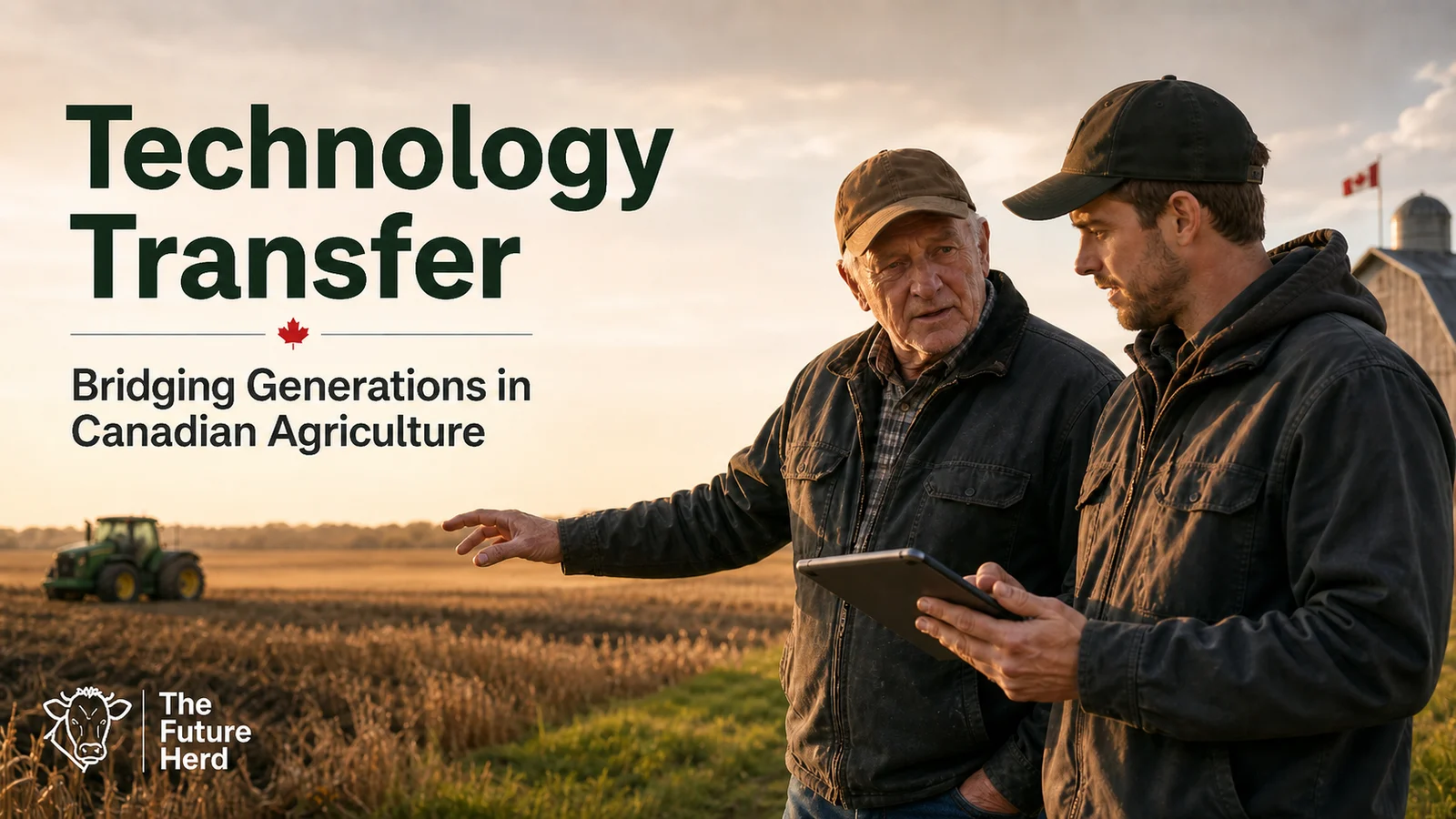
May 1, 2026
In this episode, Jesse Hirsh speaks with Mohamad Yaghi from Farm Credit Canada about how technology can democratize agricultural knowledge and empower farmers. Yaghi explores the potential of AI and digital tools to help farmers manage complex environmental risks and transfer critical expertise across generations.
Synthèse de connaissances liée:
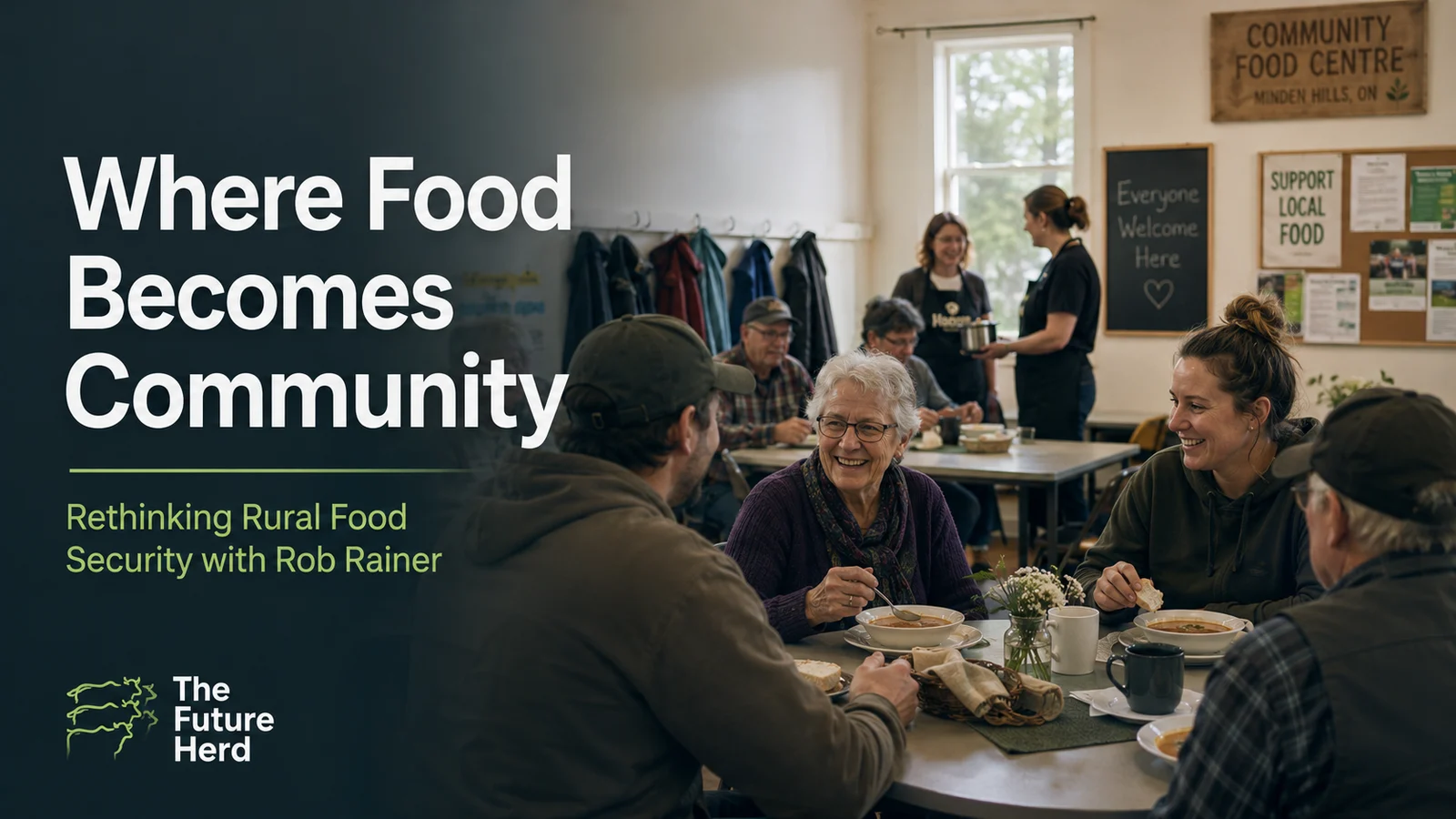
May 6, 2026
Jesse Hirsh explores the nuanced landscape of rural food insecurity through a conversation with Rob Rainer, executive director of The Table Community Food Centre in Perth, Ontario. The episode reveals the complex challenges and innovative approaches to addressing food security in smaller communities.
Synthèse de connaissances liée:
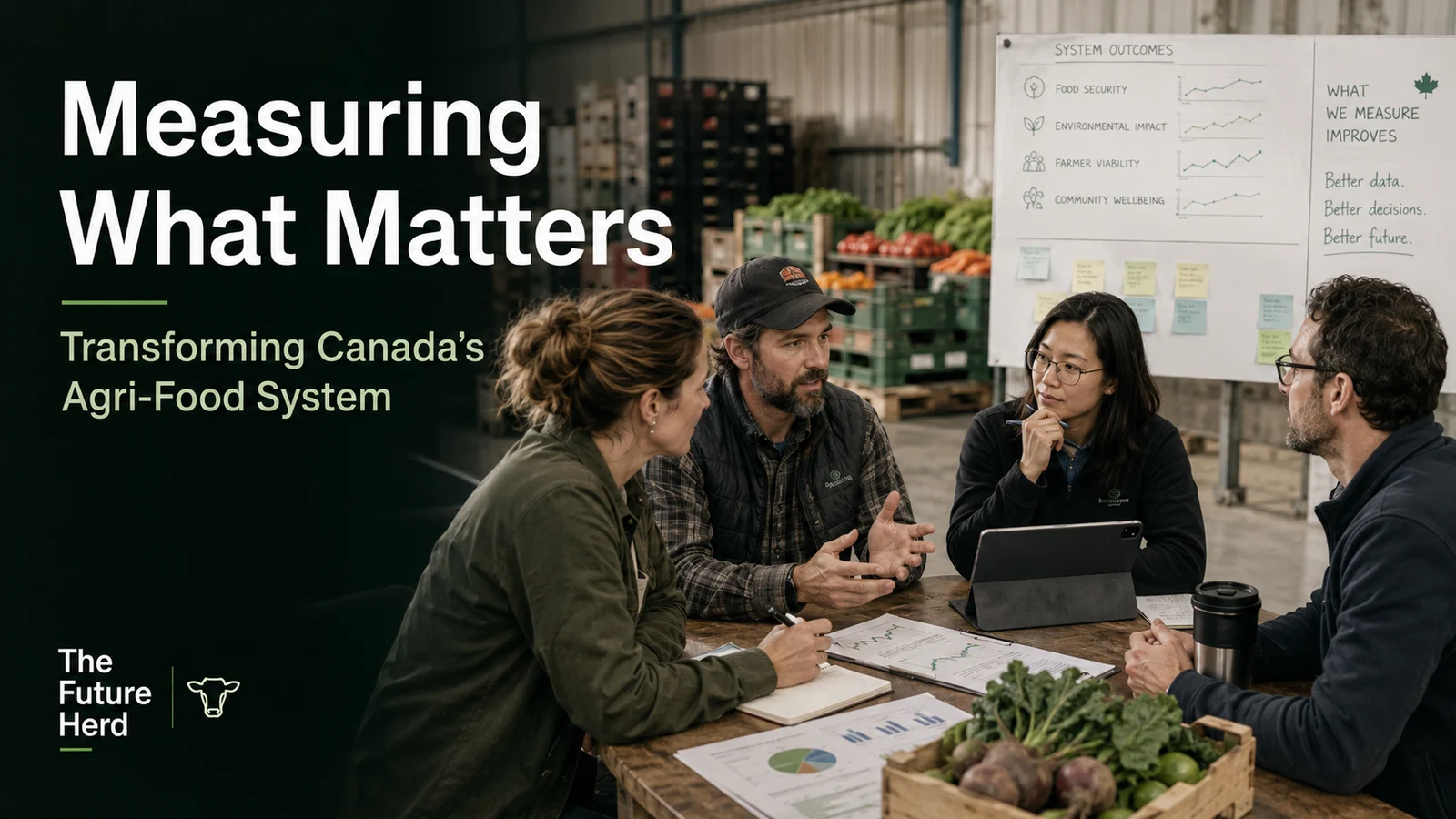
May 12, 2026
A panel of experts discuss the critical challenges and opportunities in developing a more robust food system in Canada. The conversation explores key strategies around infrastructure, food waste reduction, measurement, and investment to enhance national food security and resilience.
Synthèse de connaissances liée:
May 14, 2026
Sociologist Alissa Overend of MacEwan University argues that the food choices Canadians make every day are shaped by forces most of us never consciously examine — from curated grocery store layouts and deceptive package labelling to the deep social meanings we attach to what we eat. Drawing on her research into undiagnosed illness, food politics, and media, Overend shows how industry, advertising, and cultural norms work together to define what counts as healthy, who gets to eat well, and whose knowledge about food gets taken seriously. This episode makes the case that understanding food requires more than biochemistry — it requires a sociological lens.
Synthèse de connaissances liée:
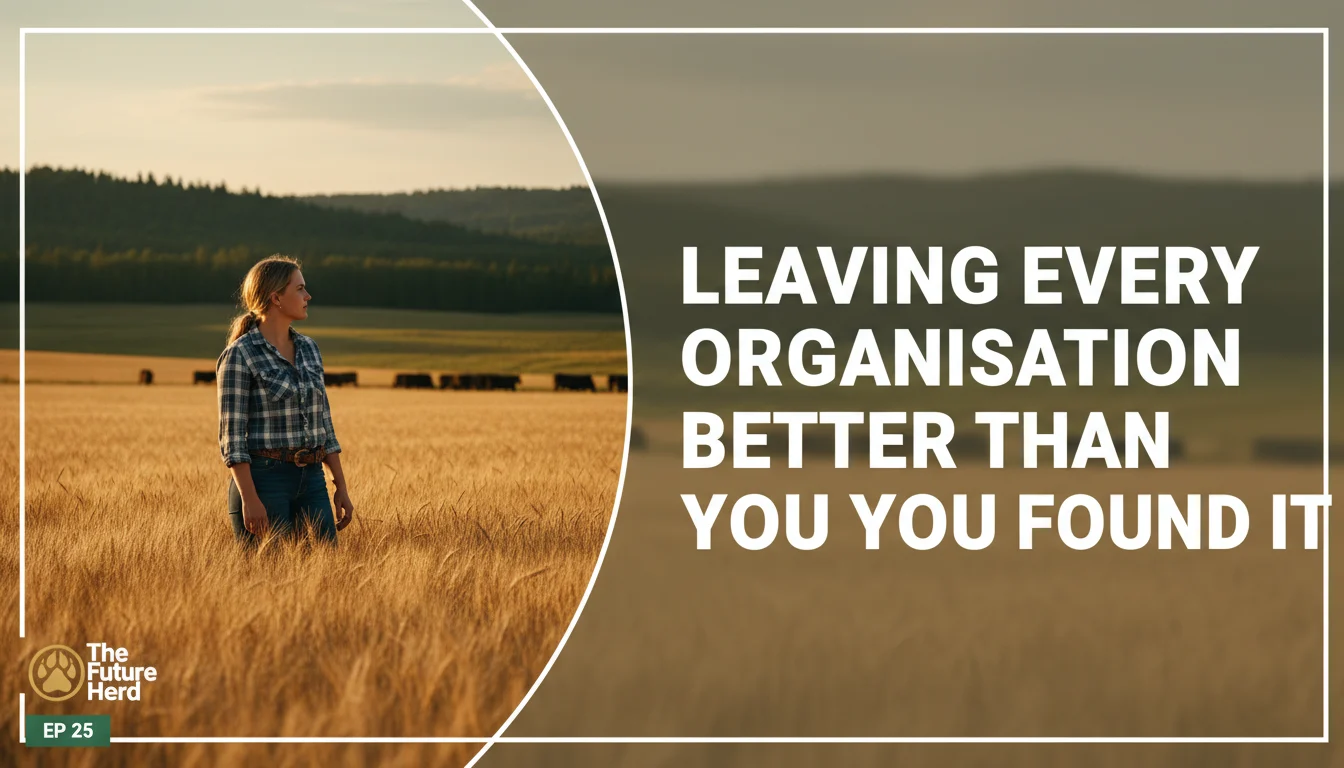
May 19, 2026
Kaitlyn Kitzan, Saskatchewan farmer, entrepreneur, and board leader, argues that lasting leadership means improving every organisation you touch and passing it on stronger than you found it. Drawing on lessons from her family farm, her early entrepreneurial ventures, and the volunteer ethic instilled by her parents in a 300-person rural community, Kaitlyn makes the case that the foundation of great leadership is not ambition alone but the habits, values, and emotional intelligence cultivated from childhood. In this conversation with Jesse Hirsh, she offers a candid, grounded look at what it actually costs — and what it gives back — to lead in Canada's agri-food sector today.
Synthèse de connaissances liée:
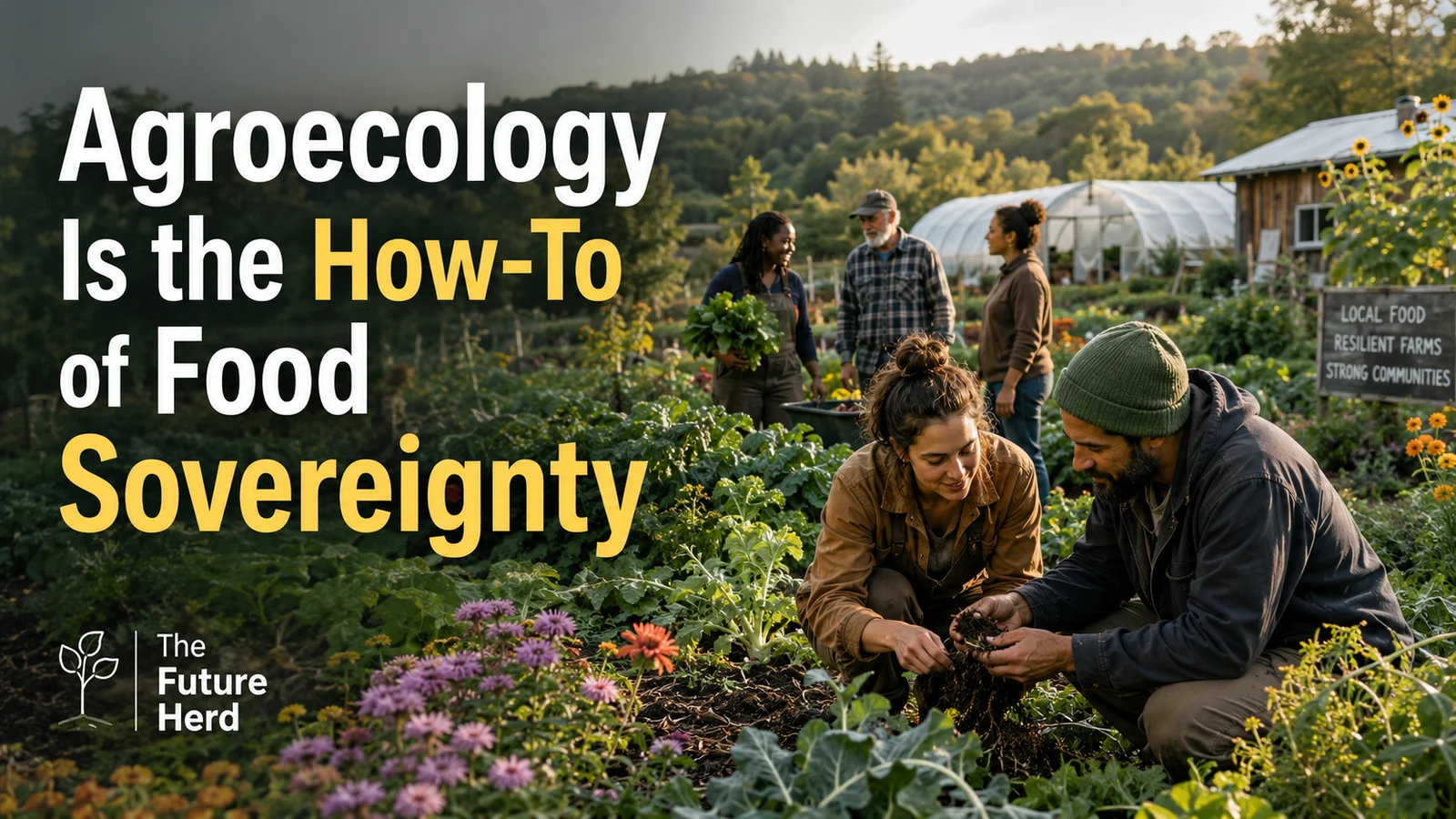
May 22, 2026
Charles Levkoe, food systems researcher at Lakehead University, makes the case that agroecology is not simply a set of farming techniques but the practical expression of food sovereignty — the means by which communities assert democratic control over how food is grown, harvested, and governed. Drawing on his background as an agroecological farmer, nonprofit practitioner, and academic, Levkoe argues that isolating any single dimension of the food system — whether soil science, policy, or indigenous knowledge — guarantees worse outcomes than thinking through their interconnection. The conversation challenges listeners to move beyond individual consumer choices and reckon with the structural, historical, and political forces that shape what kind of food system is even possible.
Synthèse de connaissances liée:
May 26, 2026
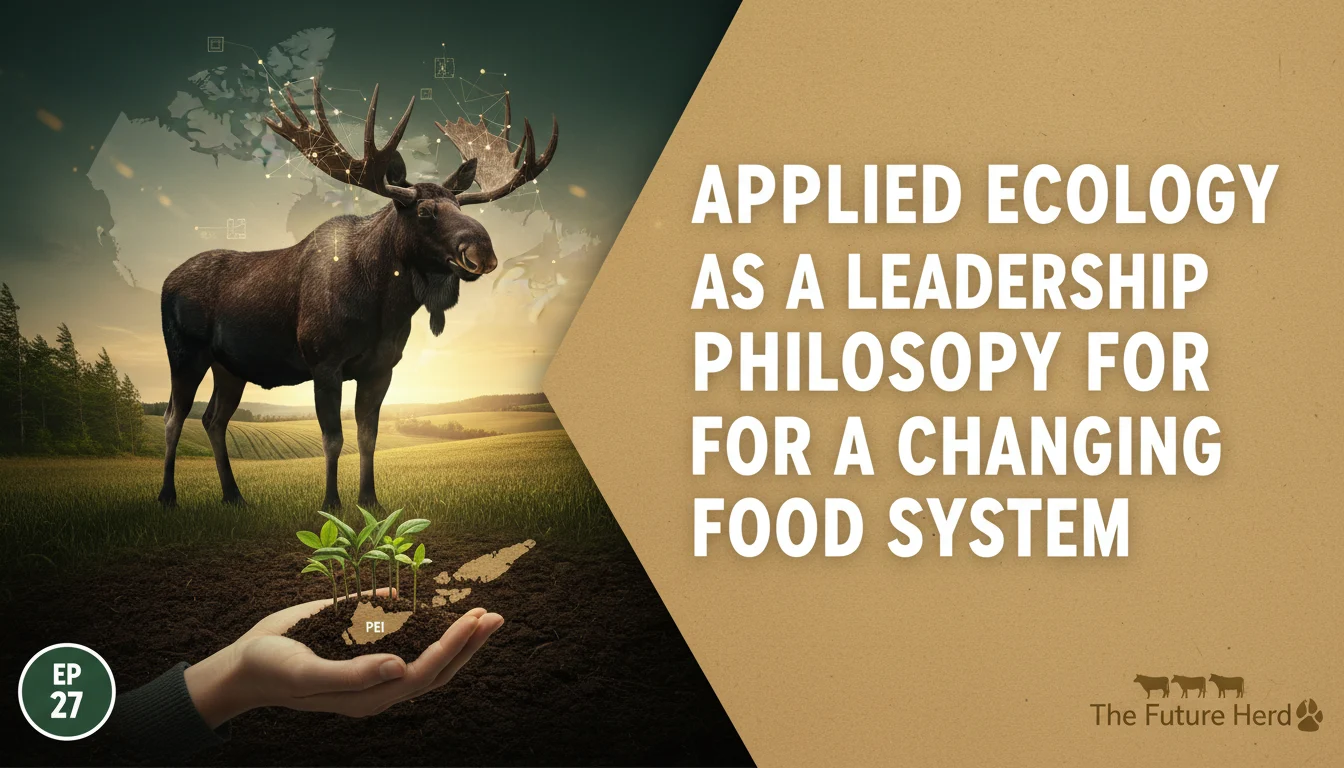
Donald Killorn, Executive Director of the PEI Federation of Agriculture, makes the case that ecological thinking — not agronomic expertise — is exactly what Canada's food system needs from its leaders right now. Drawing on two decades spent working in rainforests, coral reefs, and Bay of Fundy fisheries before arriving in agriculture, Killorn argues that systems thinking and multi-stakeholder partnership-building are the core competencies for navigating an era of climate volatility, trade disruption, and accelerating technological change. This episode unpacks how Killorn applies that lens to one of Canada's most agriculturally dense provinces, where potatoes, dairy, and a cooperative food culture make PEI a surprisingly rich laboratory for the future of the sector.
Synthèse de connaissances liée:
May 29, 2026
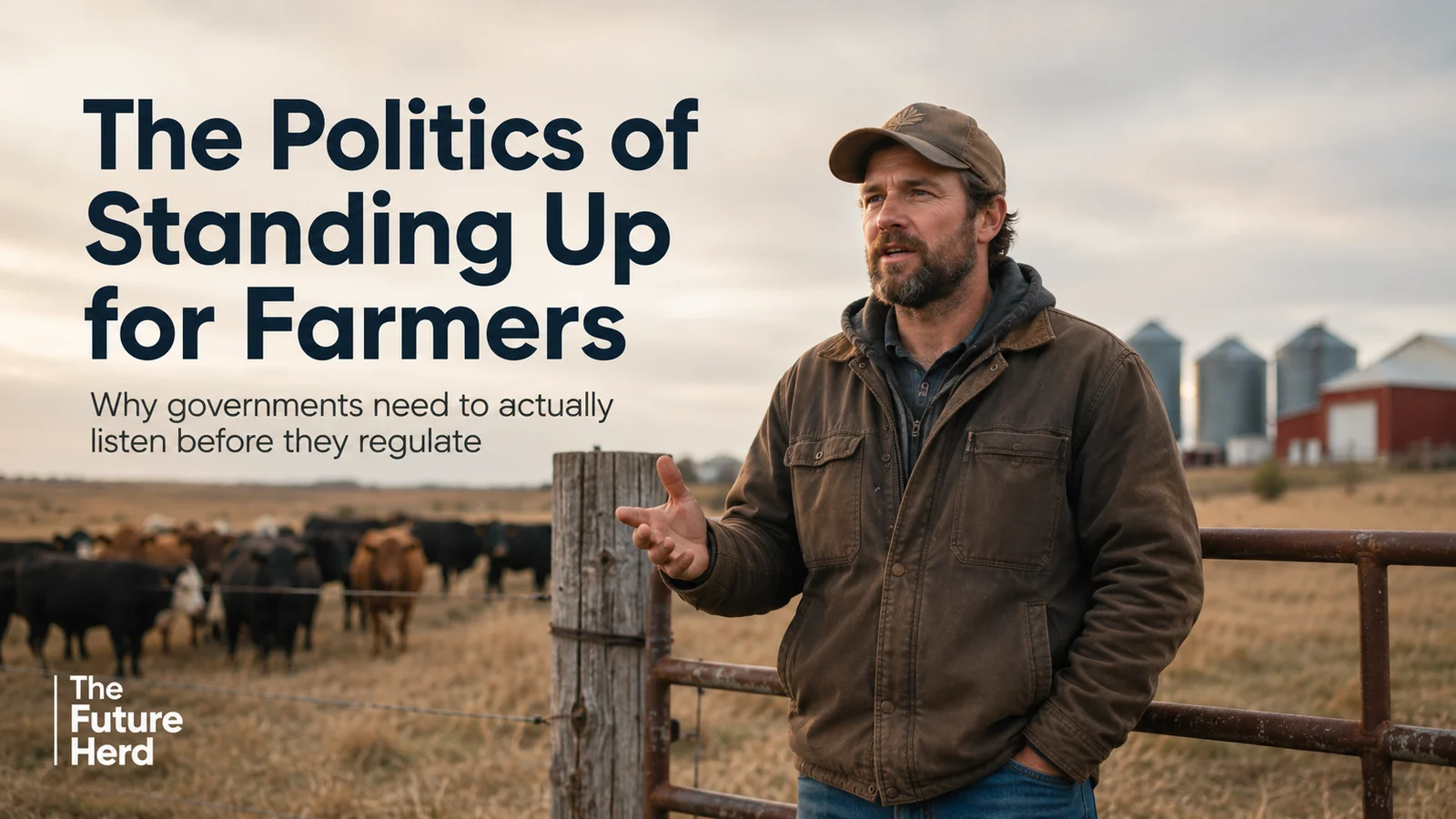
John Barlow, Member of Parliament for Foothills, Alberta and shadow minister for agriculture, makes a direct case that Canadian governments have confused the performance of consultation with the practice of actually listening to farmers. Drawing on years of first-hand visits to farms and ranches across the country, Barlow argues that the disconnect between what Ottawa decides and what producers experience at the farm gate is not incidental — it reflects a deeper failure of political values, not just policy process. This episode explores what it would take to close that gap, and why Canada keeps reaching for an agricultural gold medal while stumbling at the start.
Synthèse de connaissances liée: